CHISEL & DOWEL
Woodworking School · Sydney
Menu
Woodworking classes · Kingsgrove, Sydney

MAKE THINGS
PROPERLY.

Complete beginners welcome. Nine-week woodworking classes for people who want to understand the process, get the joint right and make work worth keeping.

6 foundation projects · materials included for these projects · max 8 students · $1,200 per term
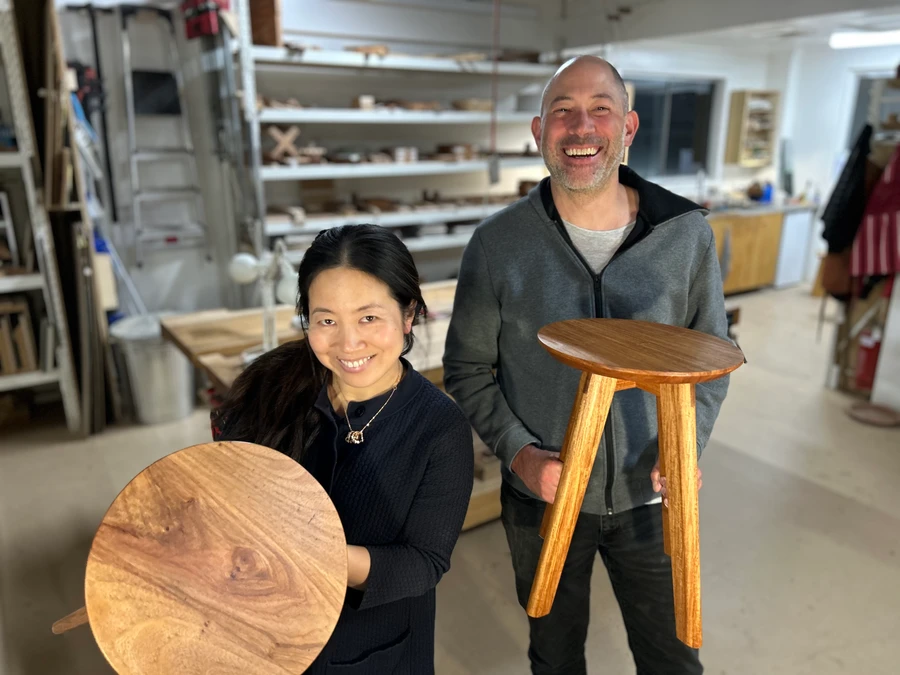
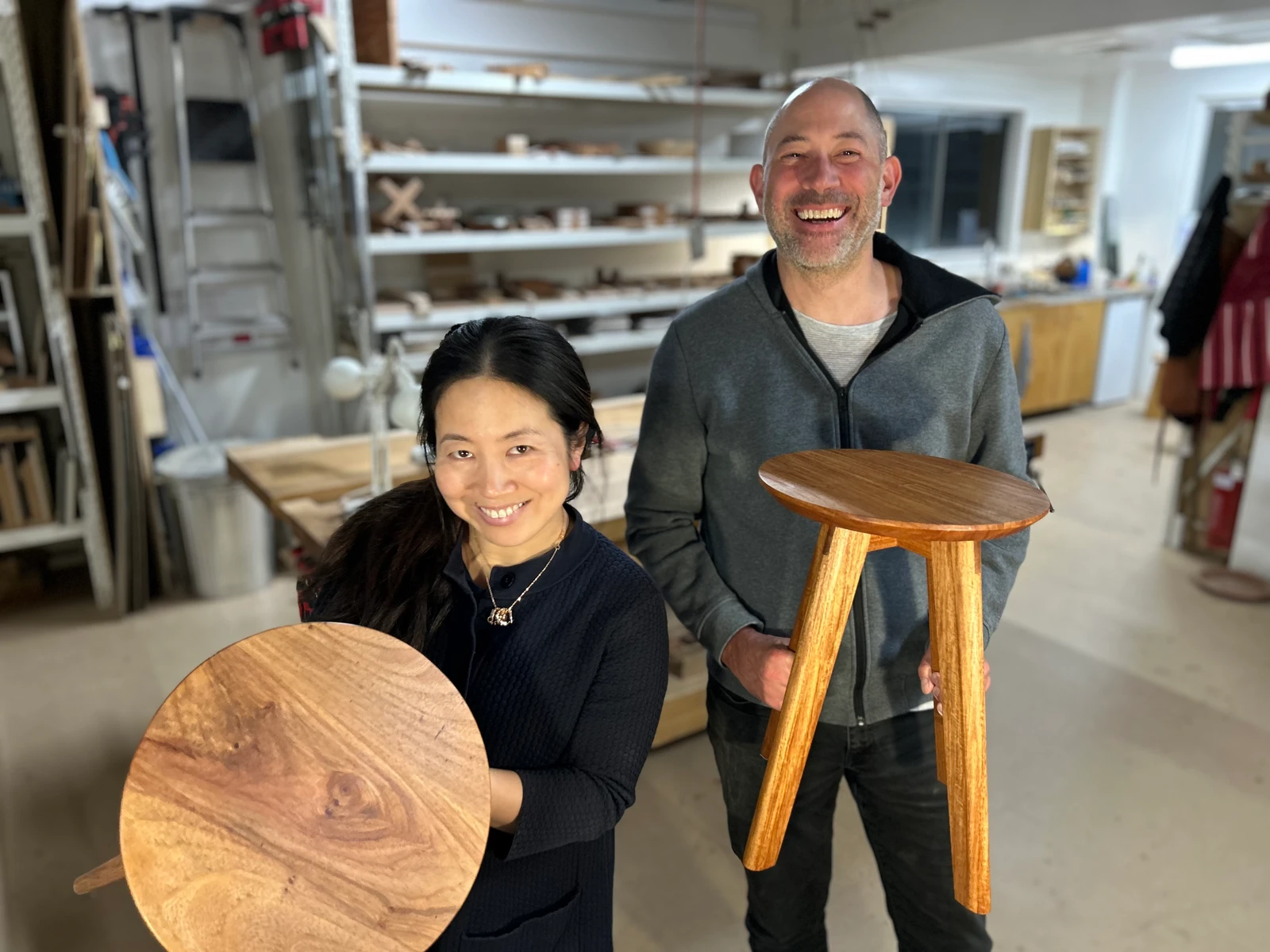
Two students holding their finished timber stools in the Chisel & Dowel workshop.
The six set projects

Six projects. One skill builds on the next.

Every new student starts with the same six-project foundation, but not on the same timetable. Work across each row to see the variation; move down the page to follow the progression.

01 / 06

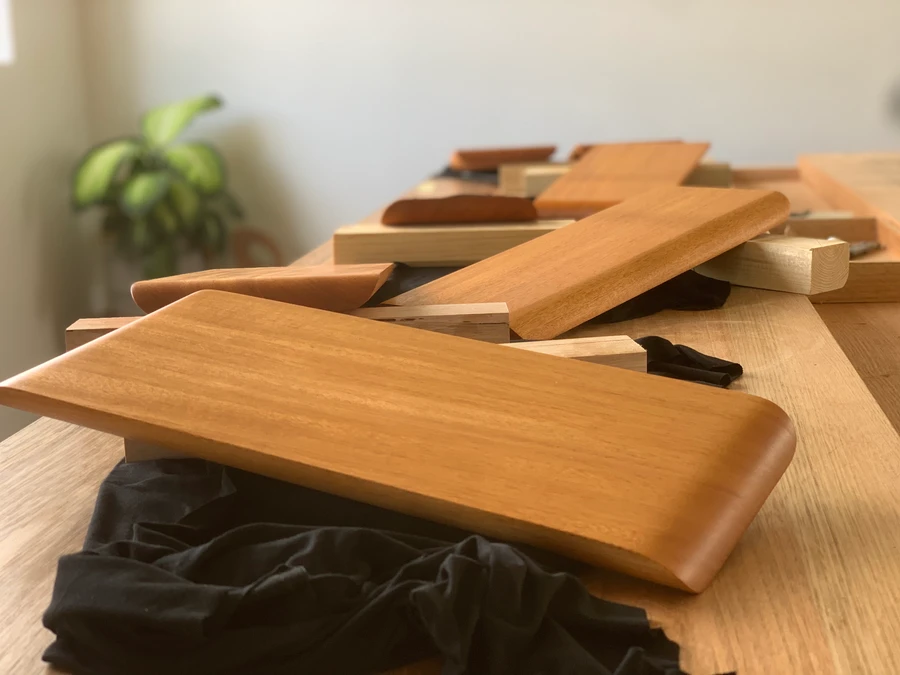
Cheese board

Hand planing · timber movement · grain direction

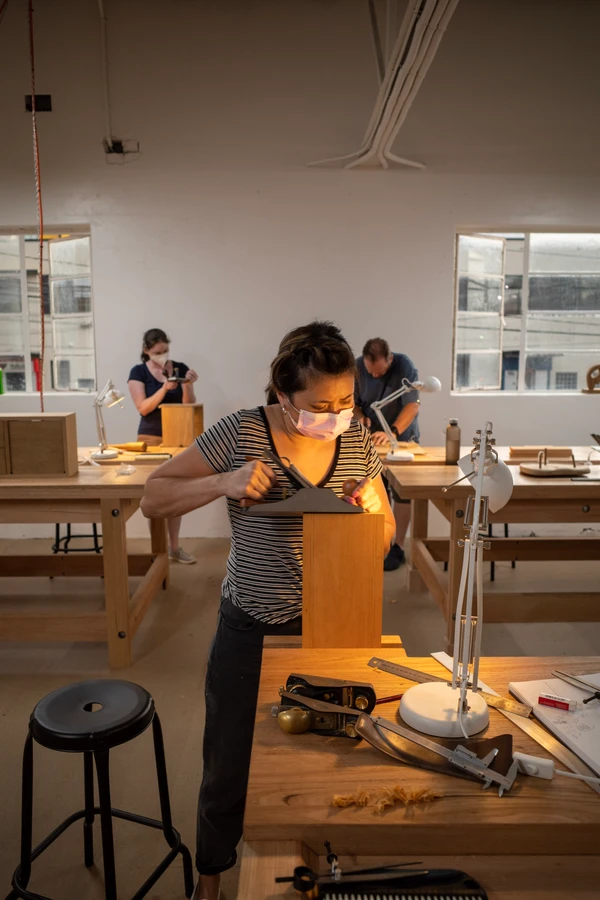
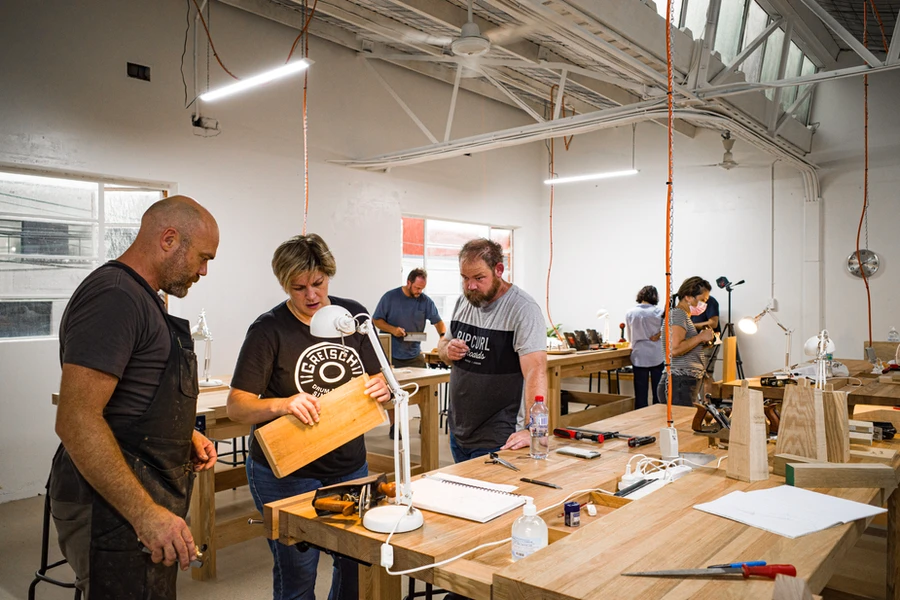
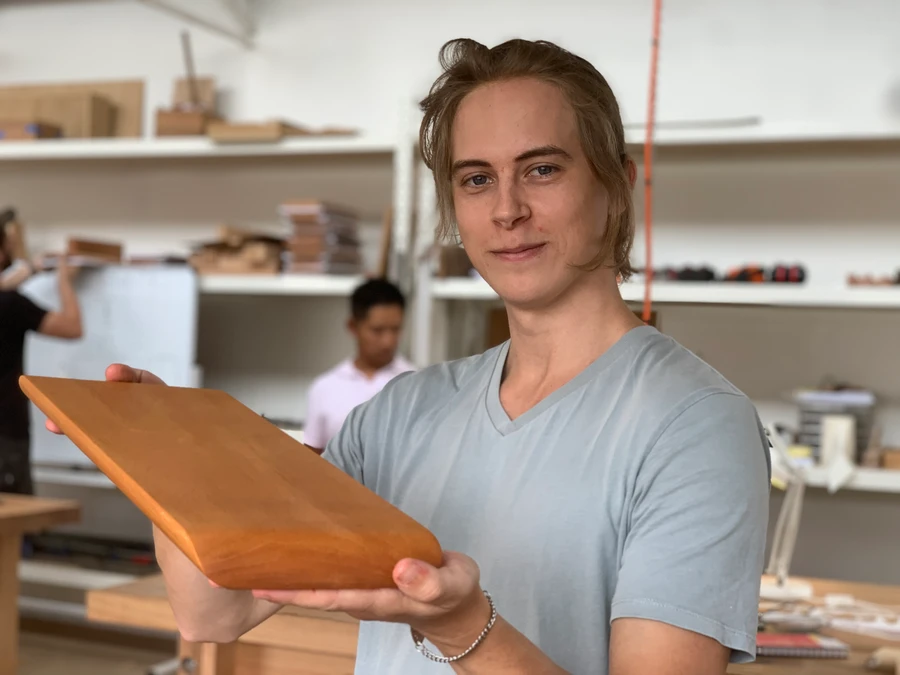
The first project is about learning to read timber rather than rushing to a result. Students flatten and refine a board, learn grain direction, develop control with handplanes and begin understanding how solid timber behaves as it is worked.

Scroll the archive
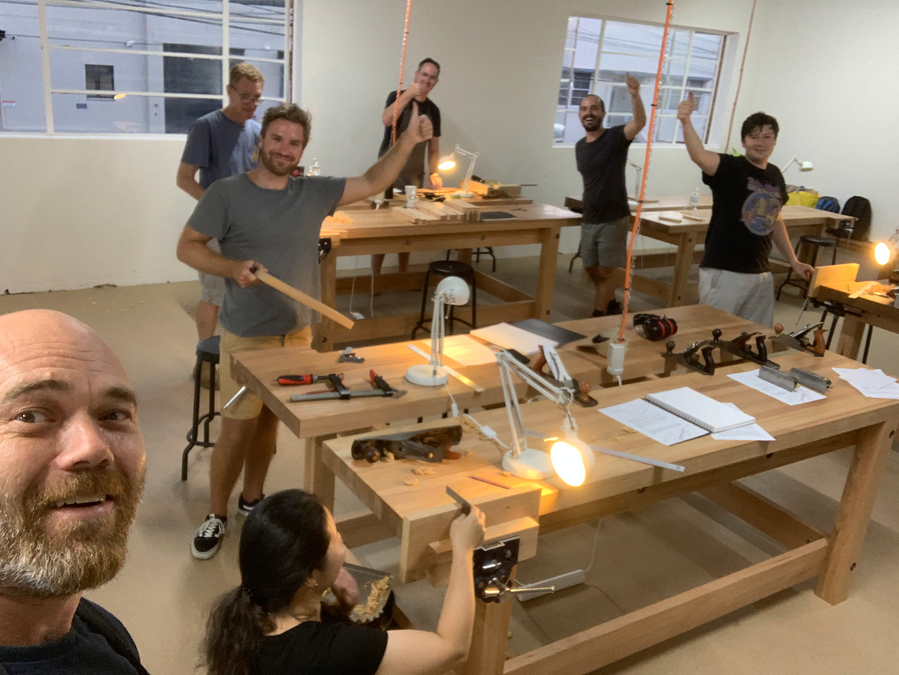
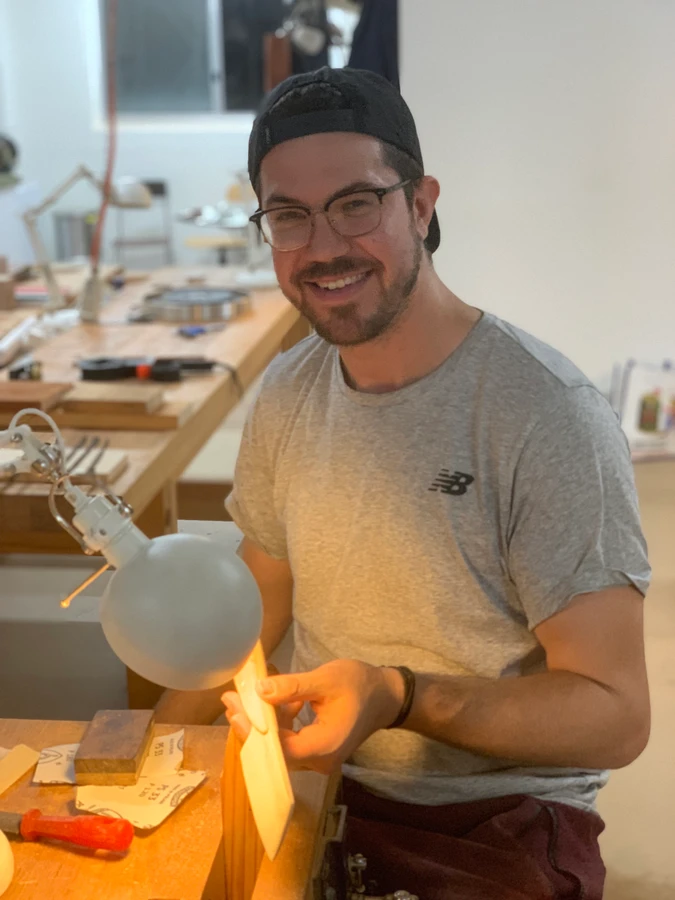
Finished timber boards and wooden knives displayed together on a bench.A student examining a timber board under a workshop lamp.A teacher and students discussing a timber board at the workbench.A student holding a completed timber cheese board.A class group smiling and giving thumbs-up around the workshop benches.
02 / 06

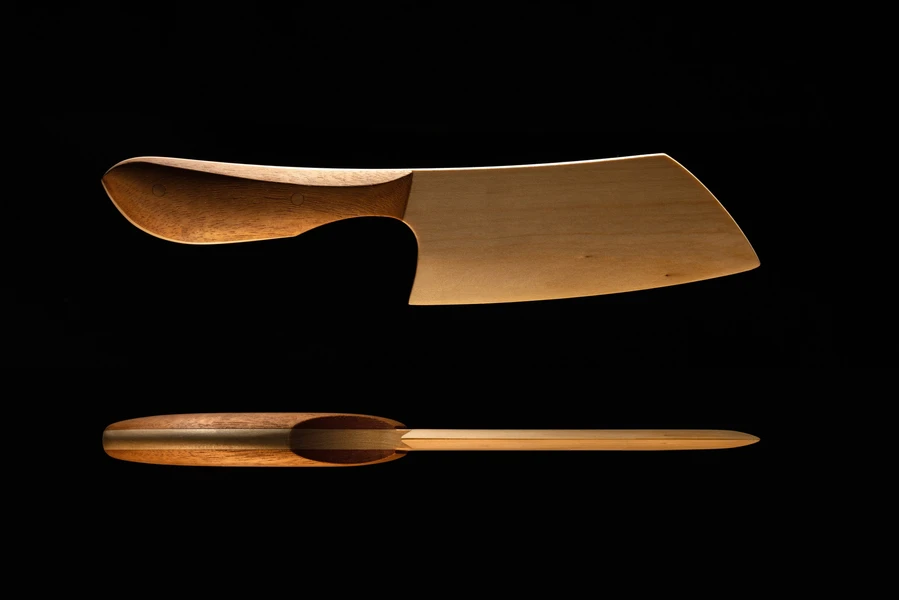
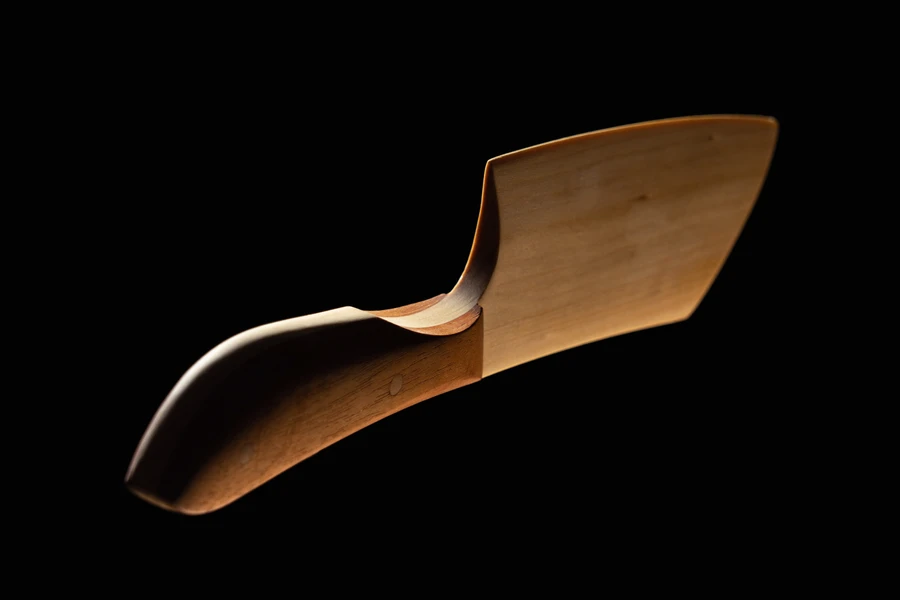
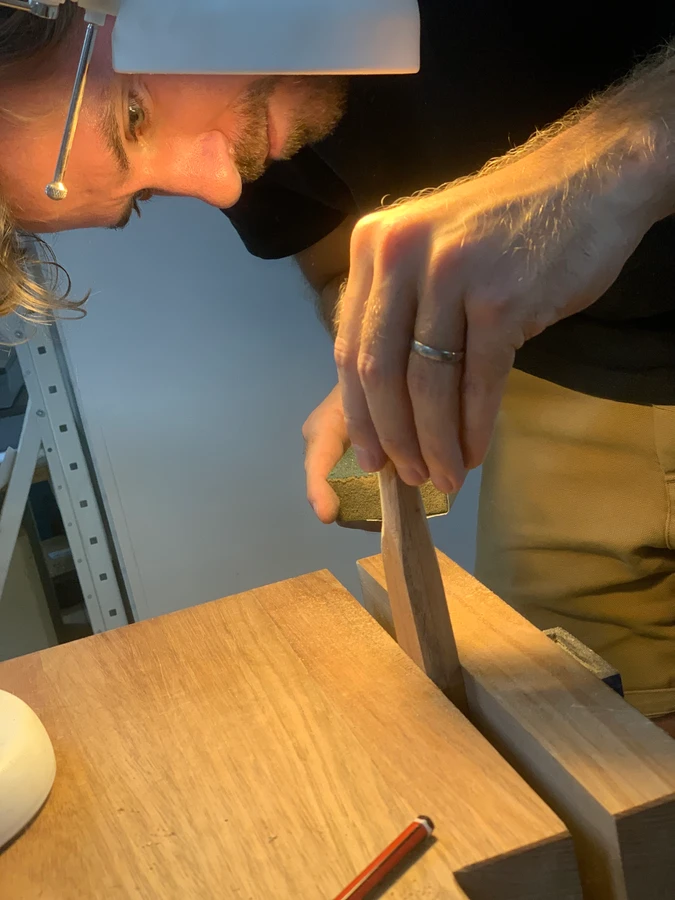
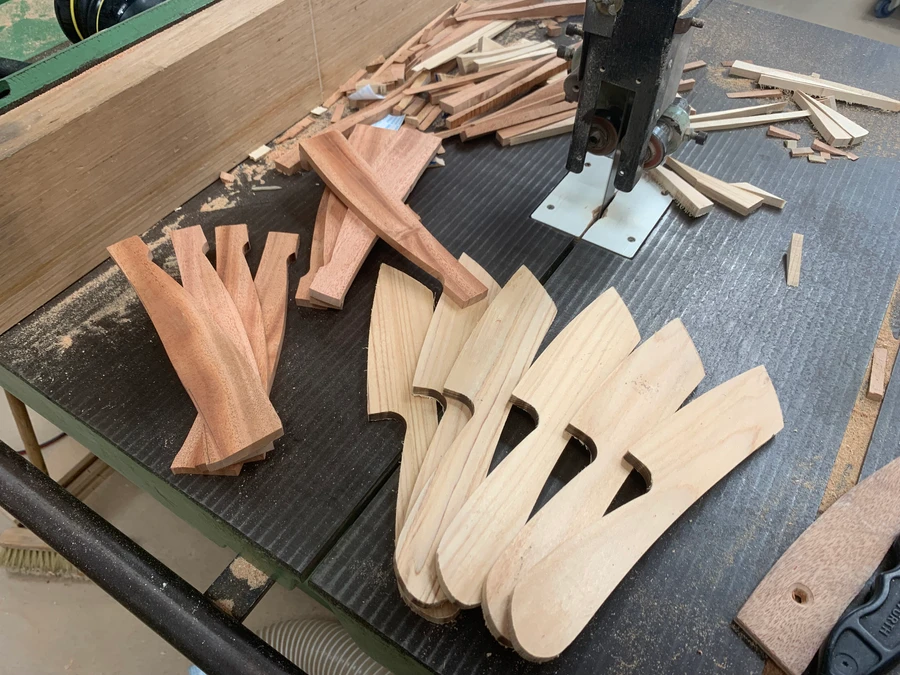
Knife

Rasps · curves · shaping · working by eye

The knife shifts away from square joinery and into shape. Students use rasps, files and abrasives to create controlled curves, fair a surface by eye and hand, and understand how a small change in profile can completely alter the feel of an object.

Scroll the archive
Front and side views of a finished wooden knife against a black background.A shaped wooden knife showing its curved handle and blade.A student carving a wooden knife held in a bench vice.Wooden knife blanks and shaped pieces arranged on a workbench.A student smiling while shaping a wooden knife at the bench.A student holding up a wooden knife in the workshop.
03 / 06

Picture frame

Mitres · handplanes · shooting · jigs · repeatability

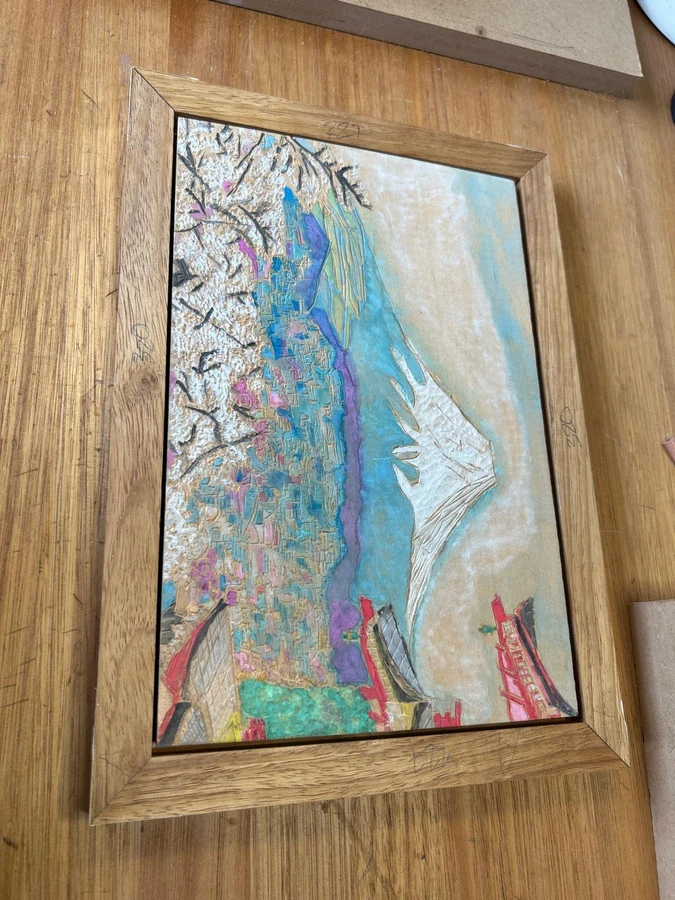
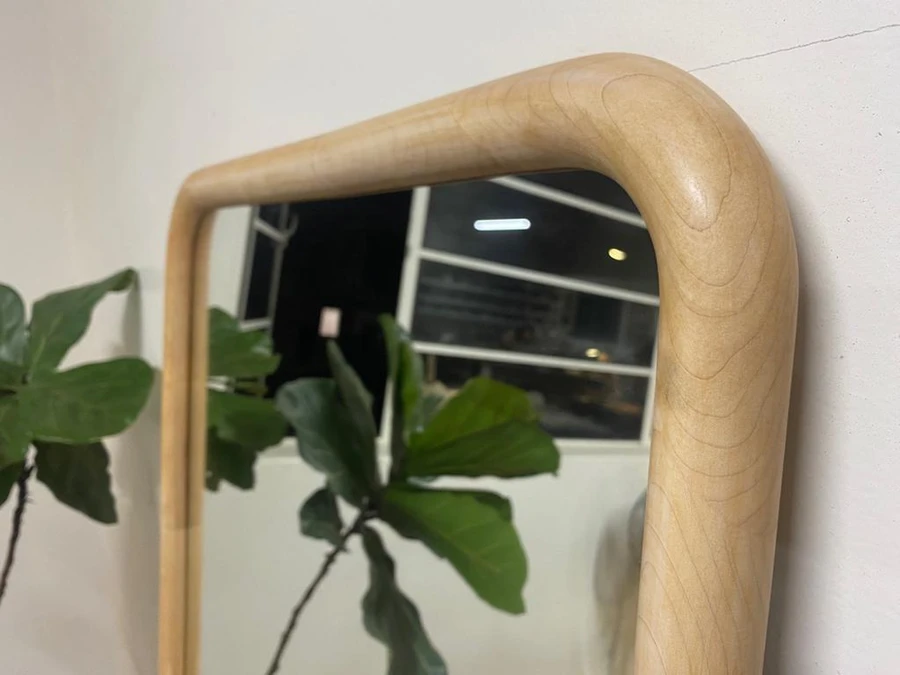
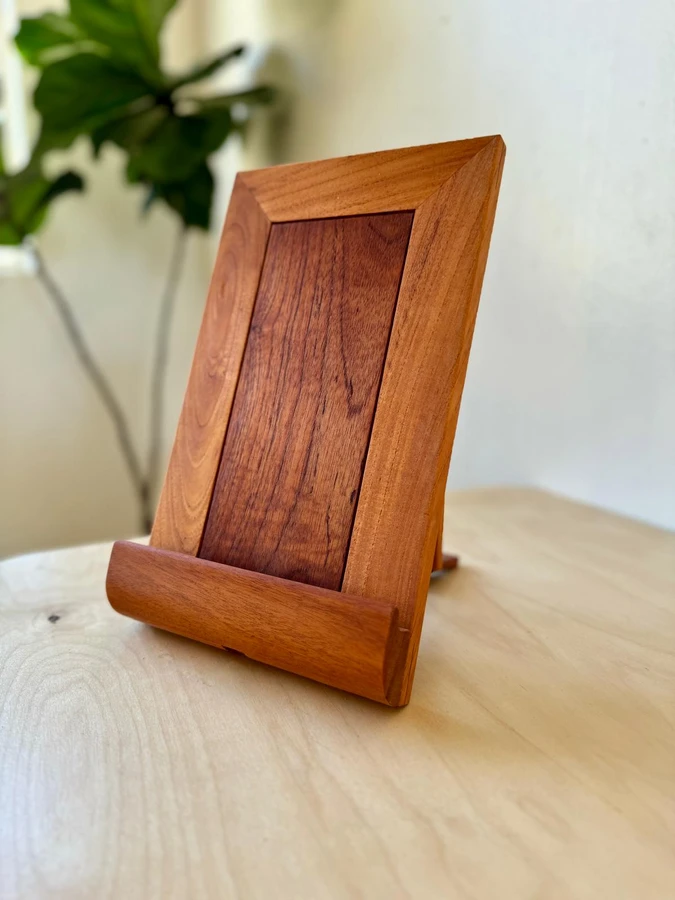
The picture frame makes accuracy repeatable. Students refine mitres, use handplanes and jigs to correct tiny errors, and learn why a clean-looking joint depends on preparation, reference surfaces and a reliable process—not simply cutting a 45-degree angle.

Scroll the archive
A completed timber picture frame surrounding a colourful artwork.Rounded timber joinery at the corner of a mirror frame.A small freestanding timber picture frame on a shelf.
04 / 06

Mallet

Mortise & tenon · chisels · machining · fitting

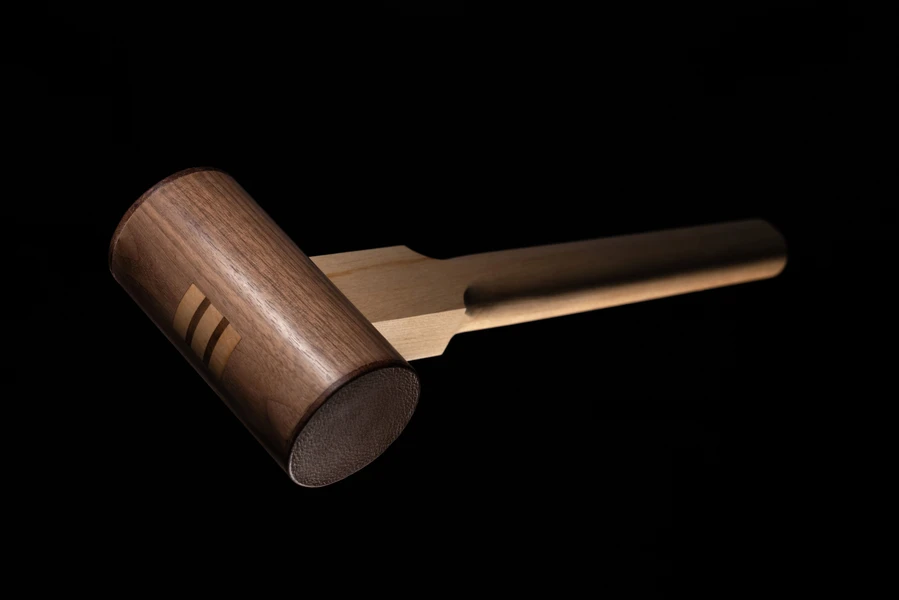
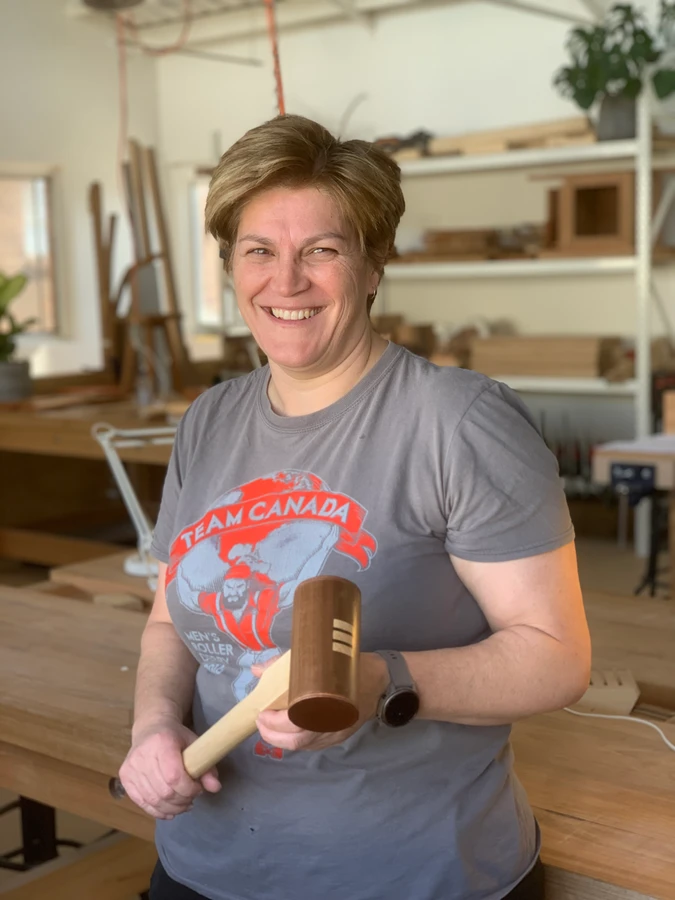
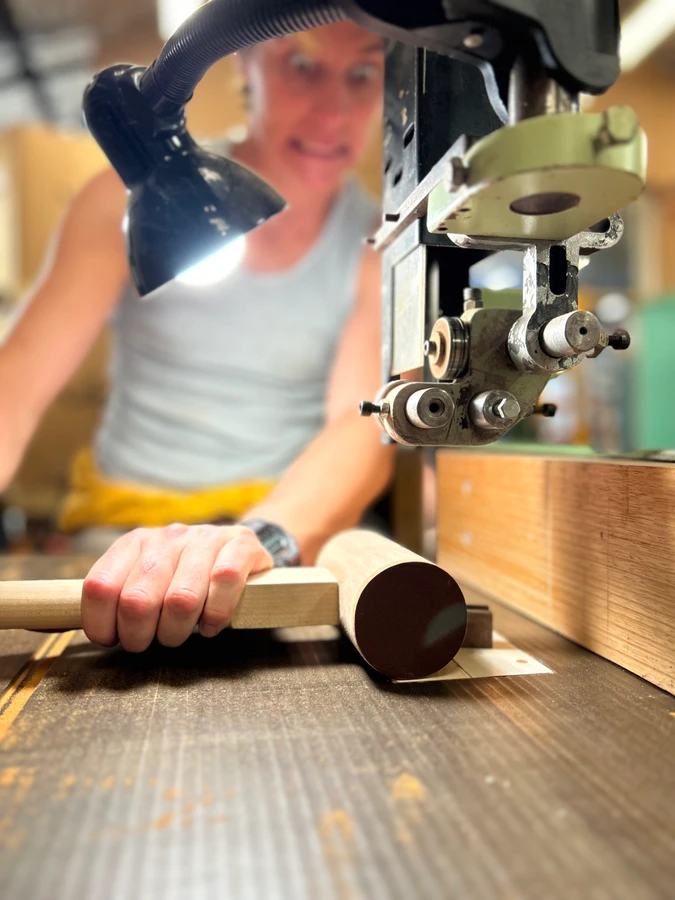
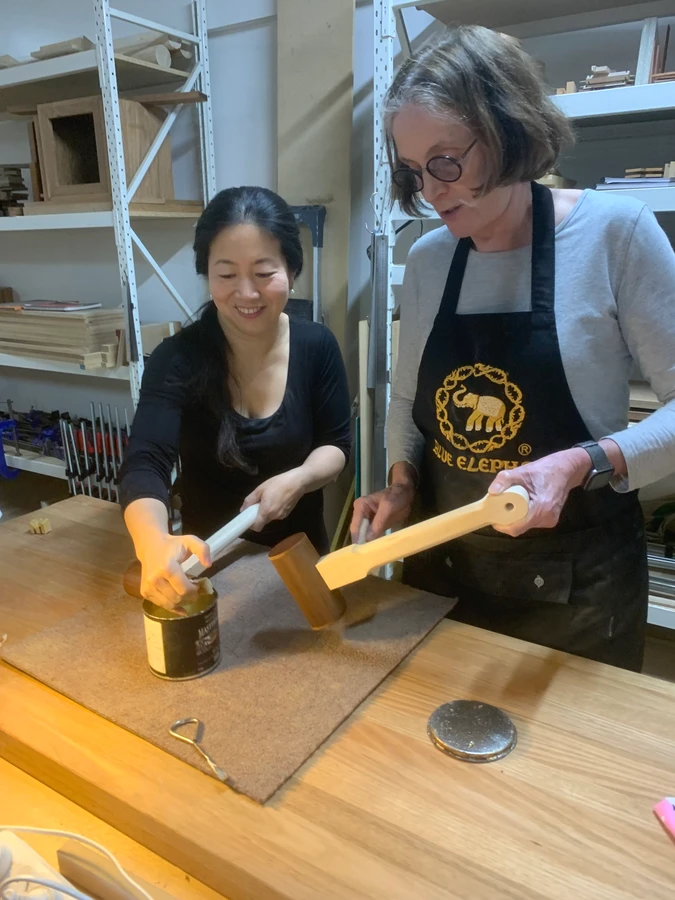
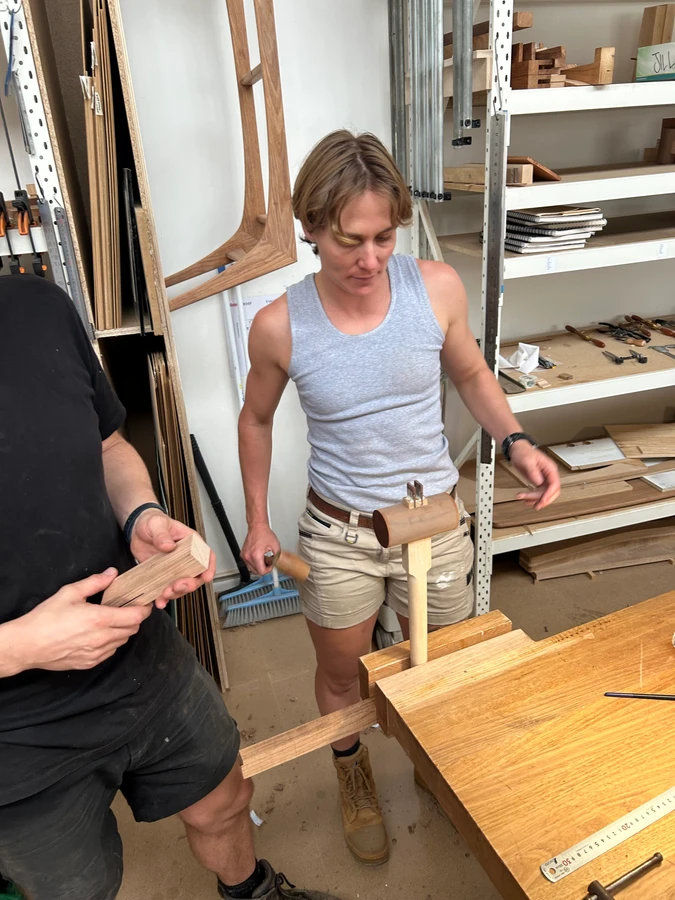
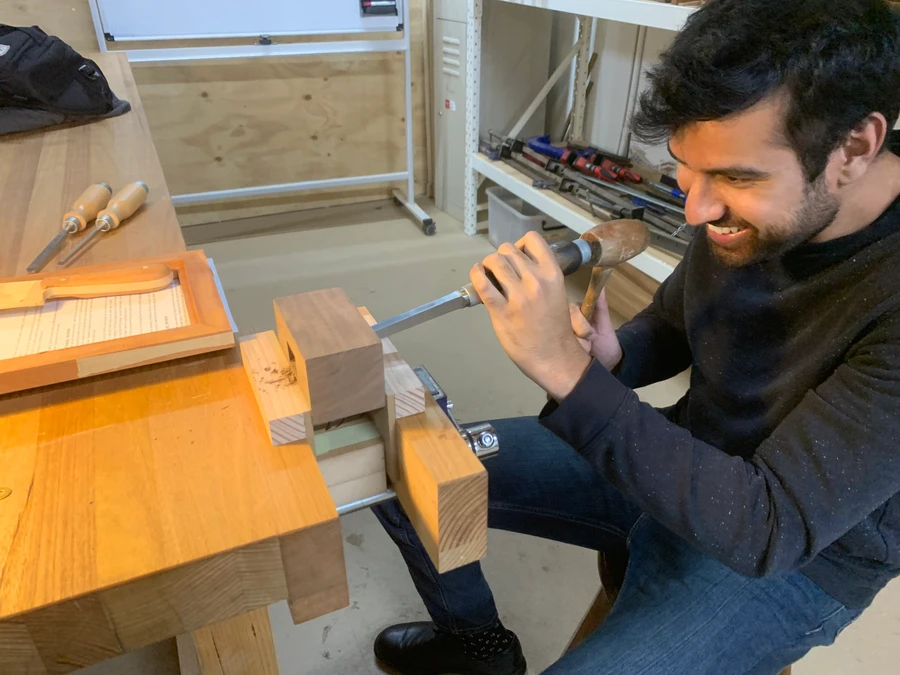
The mallet introduces joinery and controlled machine work. Students make and fit a mortise-and-tenon connection, use chisels accurately and learn how machining, hand-tool refinement and careful fitting work together in a piece that must also withstand use.

Scroll the archive
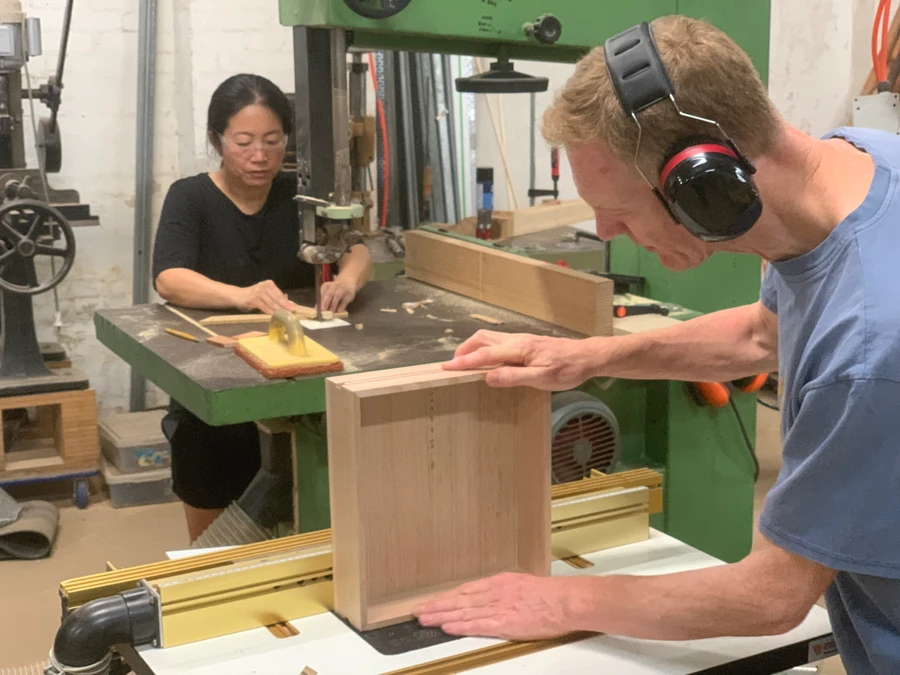
A finished wooden mallet with a turned handle against a black background.A student holding a completed wooden mallet.A student working on a wooden mallet at a bandsaw.A teacher and student working on a wooden mallet at the bench.A student fitting a mallet handle into its wooden head.A student using a chisel on a mallet head held in a vice.
05 / 06

Keepsake box

Box joinery · precision · lids · design variation

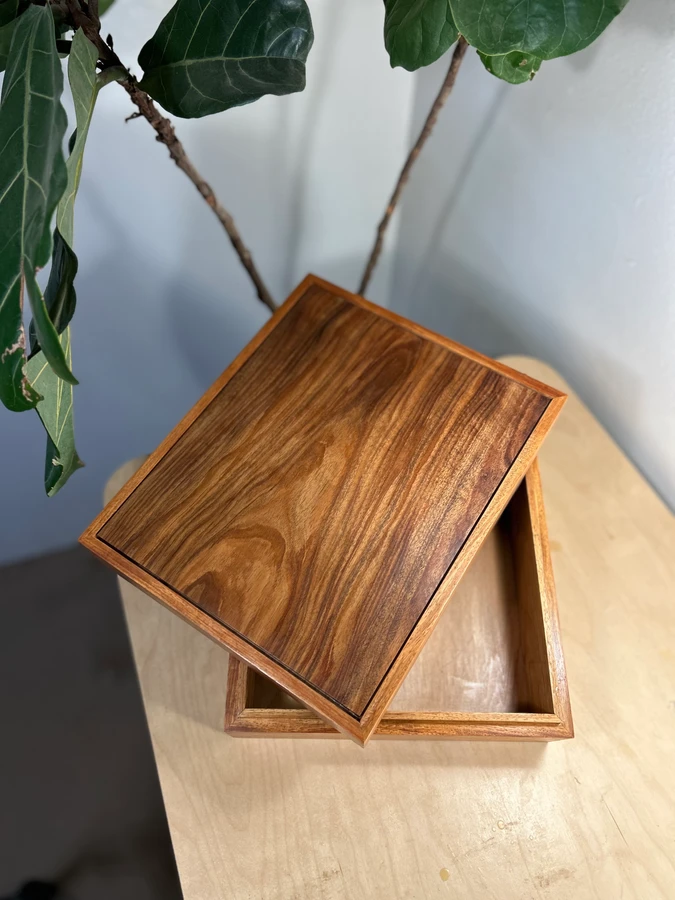
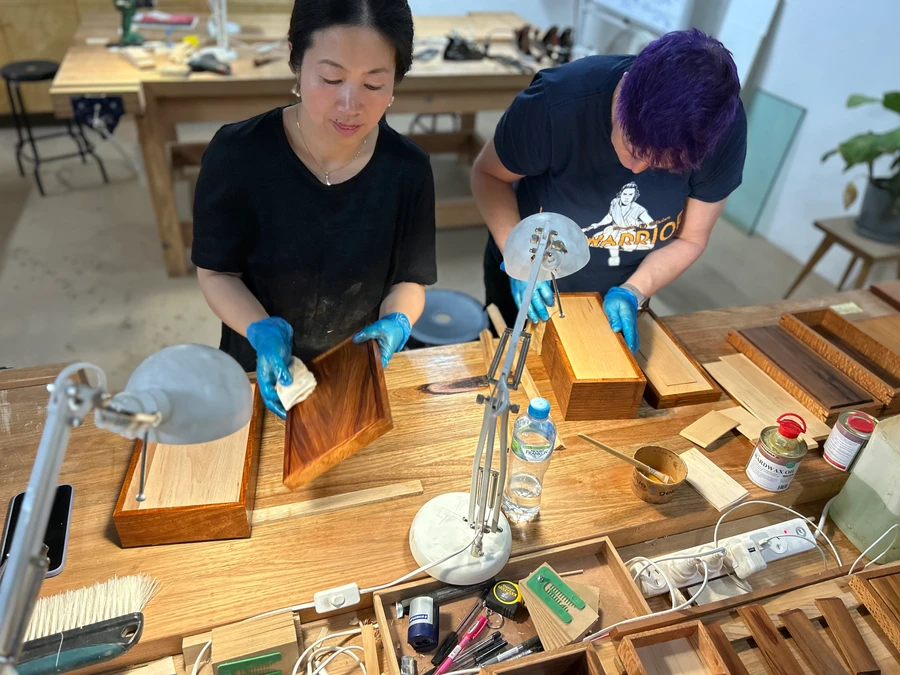
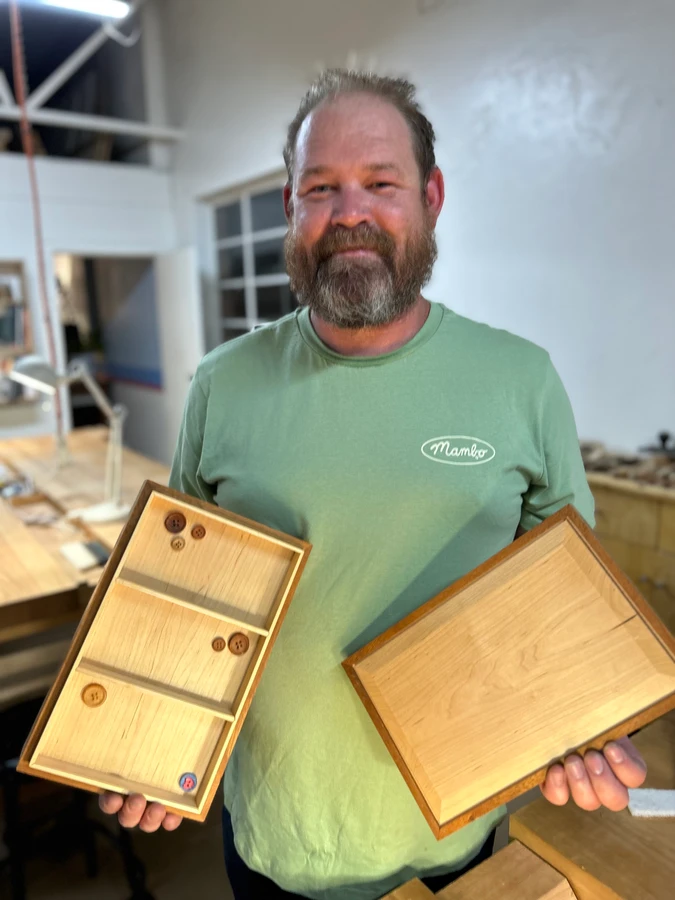
The keepsake box rewards accuracy. Small errors become visible quickly, so students learn to work carefully through layout, joinery, assembly and fitting. It is also one of the first projects where modest design choices can change proportion, timber selection and character.

Scroll the archive
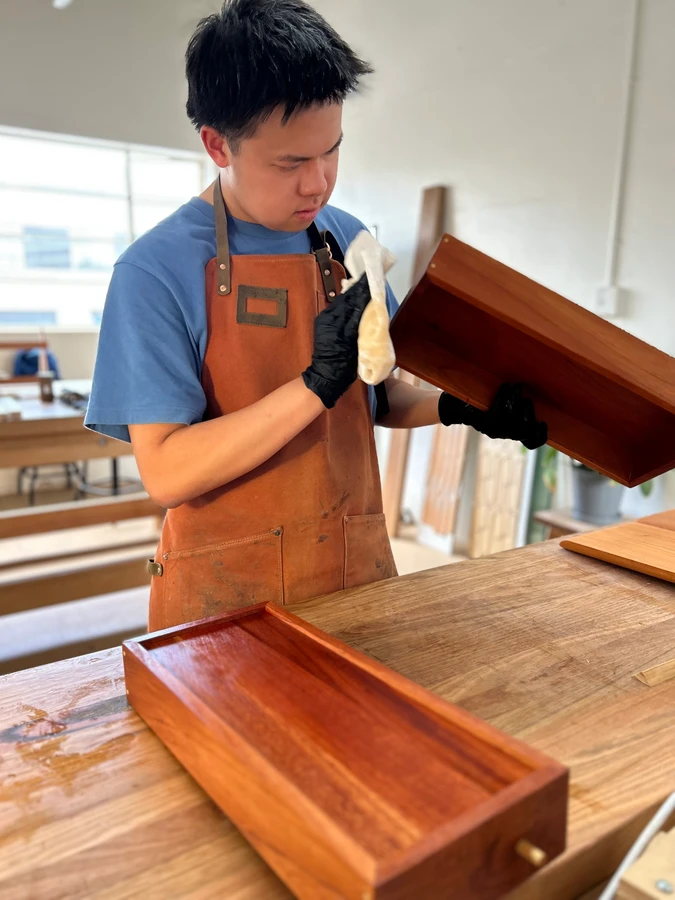
An open timber keepsake box with its lid resting across the top.A student holding an open keepsake box with internal compartments.Two students applying finish to timber keepsake boxes at a workbench.A student displaying an open keepsake box and its matching lid.A student applying finish to the inside of a keepsake box lid.Students preparing timber panels in the workshop.
06 / 06

Stool / side table

Joint strength · assembly · squareness · cumulative skills

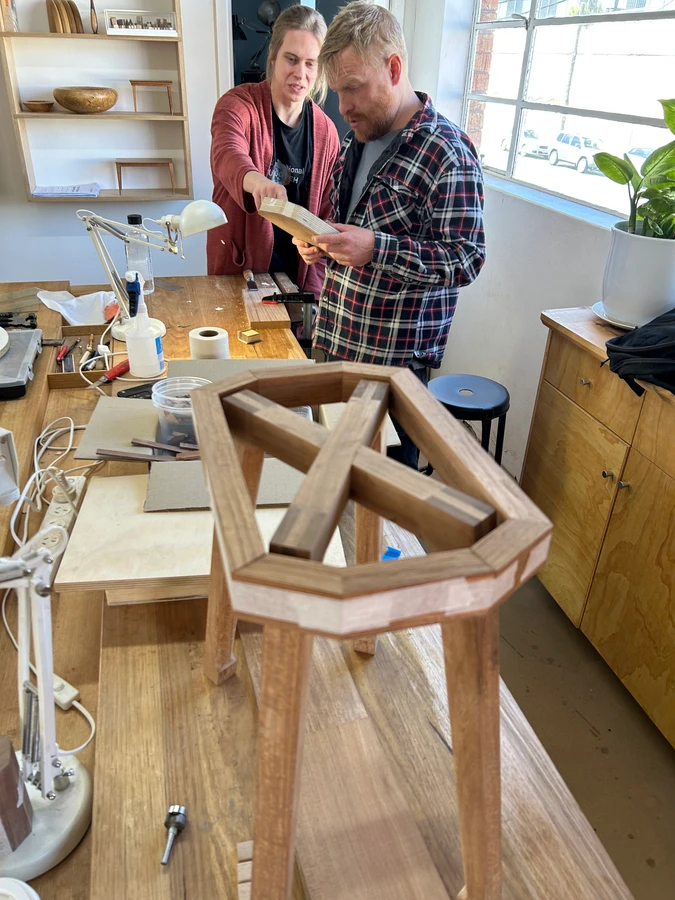
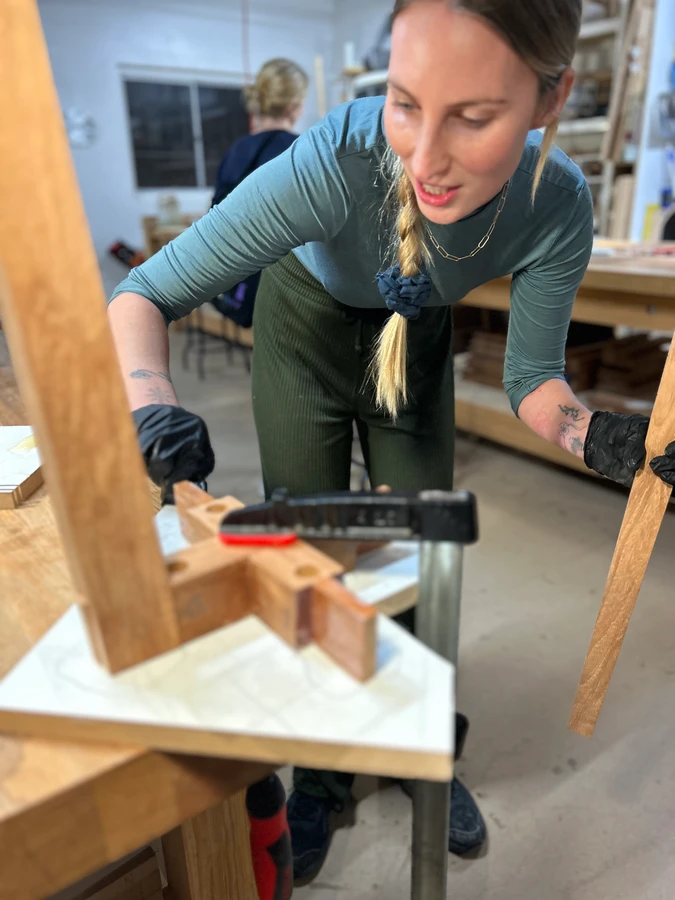
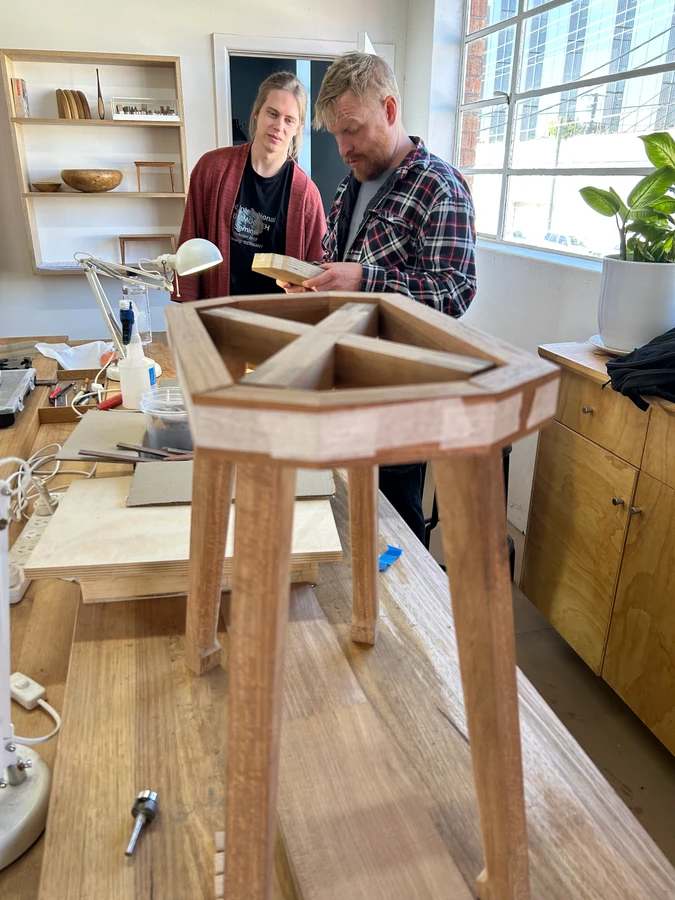
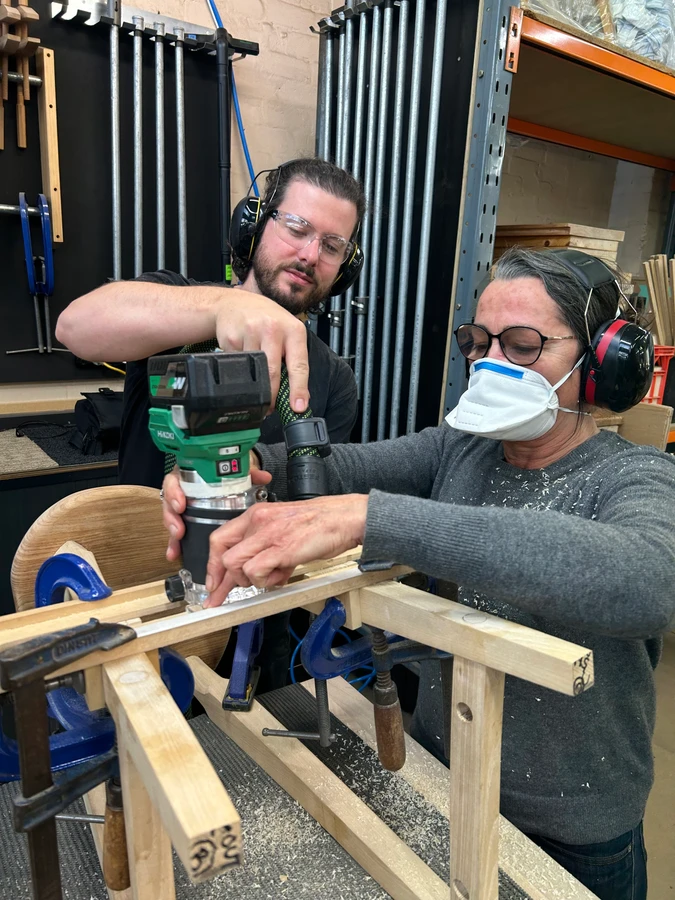
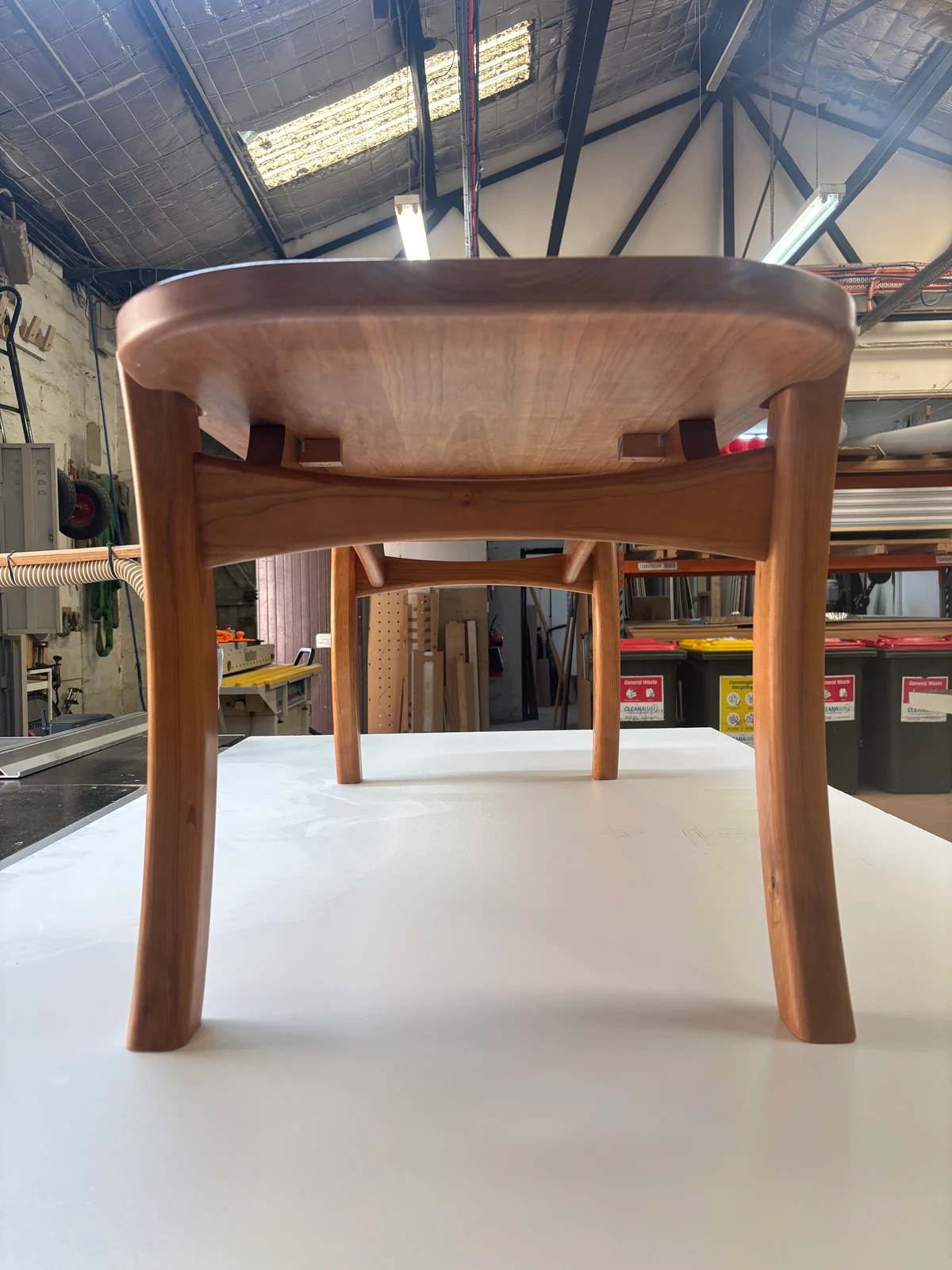
The stool or side table pulls the previous projects together into a small piece of furniture. Students have to think about joint strength, repeatable parts, squareness, machining order, assembly and finish while producing something that must work structurally as well as visually.

Scroll the archive
Two students holding their finished timber stools in the Chisel & Dowel workshop.Students discussing stool components and joinery at the workbench.A student working on an upturned stool frame.Students fitting a seat to a timber stool frame.A teacher guiding a student using a router on a timber component.
Term classes

Nine weeks. Three hours a week. No rush.

Start with six set projects: cheese board, knife, picture frame, mallet, keepsake box and stool/side table. Work through them at your own pace, then begin designing and making your own work.

9weeks
3hweekly
8max students
$1.2kper term
Weekly class times
Monday10–1
Monday6–9
Tuesday6–9
Wednesday6–9
Thursday10–1
Thursday6–9
Saturday9–12
Saturday1–4

Current term: Term 3 2026 finishes in September. Next intake: Term 4 2026 runs from 12 October to 12 December, with exact dates depending on your class day. Returning students have first refusal on their existing time: pay or explicitly confirm your return at least two weeks before your first class. Unconfirmed places are then released publicly.

View current bookings →Join the waitlist →

Term class waitlist

Be first to know when a place opens.

Term 4 2026 begins in October. Returning students have priority on their existing class time before remaining places are released. Join the waitlist to hear when a suitable place becomes available.

There are always places for new students across the timetable, but the exact day or time you want may not be the one that opens first. Join the waitlist, tell us what would suit you, and we’ll contact you when a suitable spot becomes available.

If you can do more than one class time, tell us below. A little flexibility usually means we can place you sooner.

Have you studied with us before?
2027
Term 1
23 Jan–30 Mar
2027
Term 2
27 Apr–28 Jun
2027
Term 3
20 Jul–20 Sep
2027
Term 4
11 Oct–11 Dec

Each class runs for nine sessions. Exact first and final dates vary by class day so we can avoid public holidays; the precise dates are shown when booking.

Student major work

From exercises to original furniture.

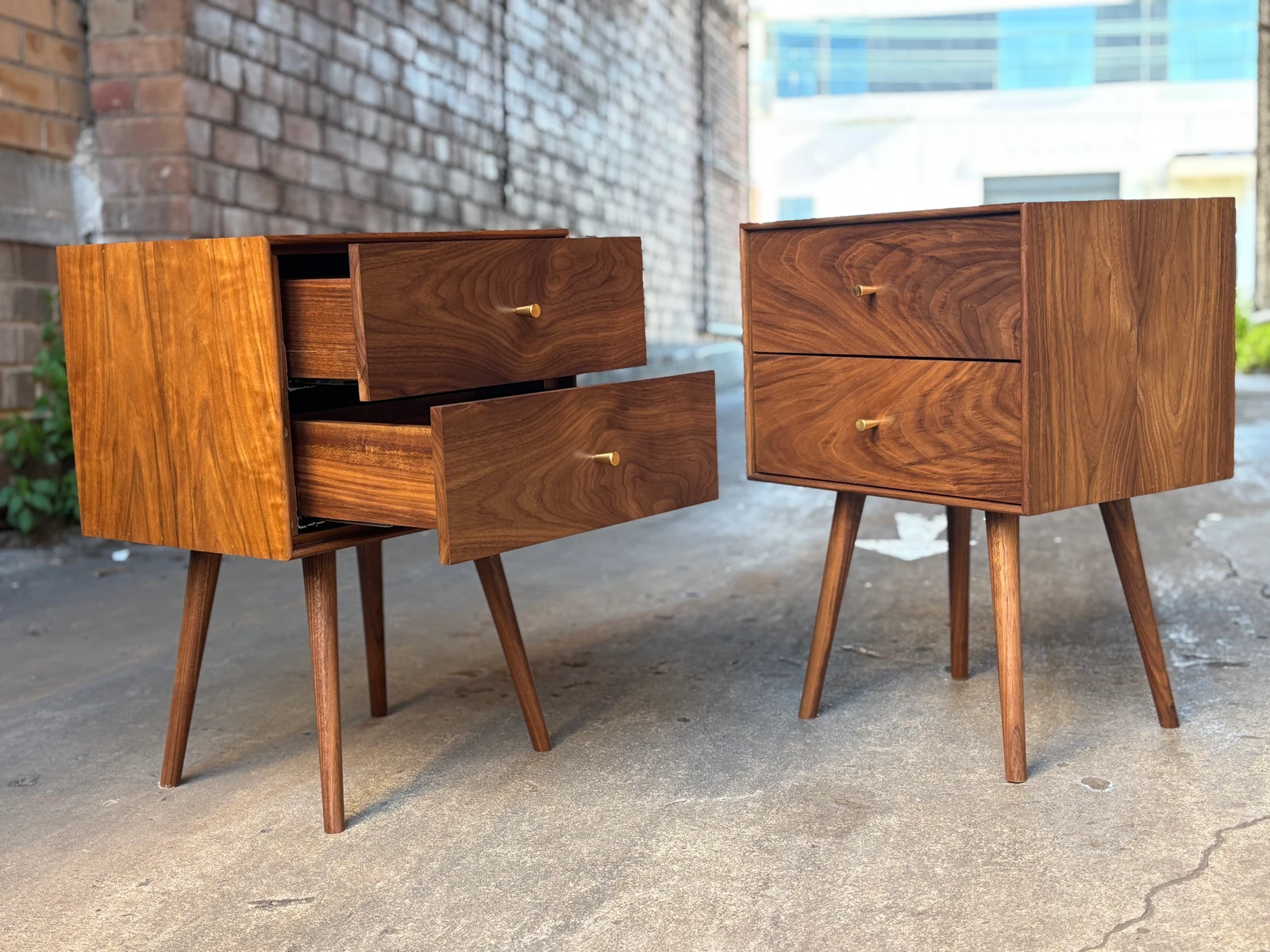
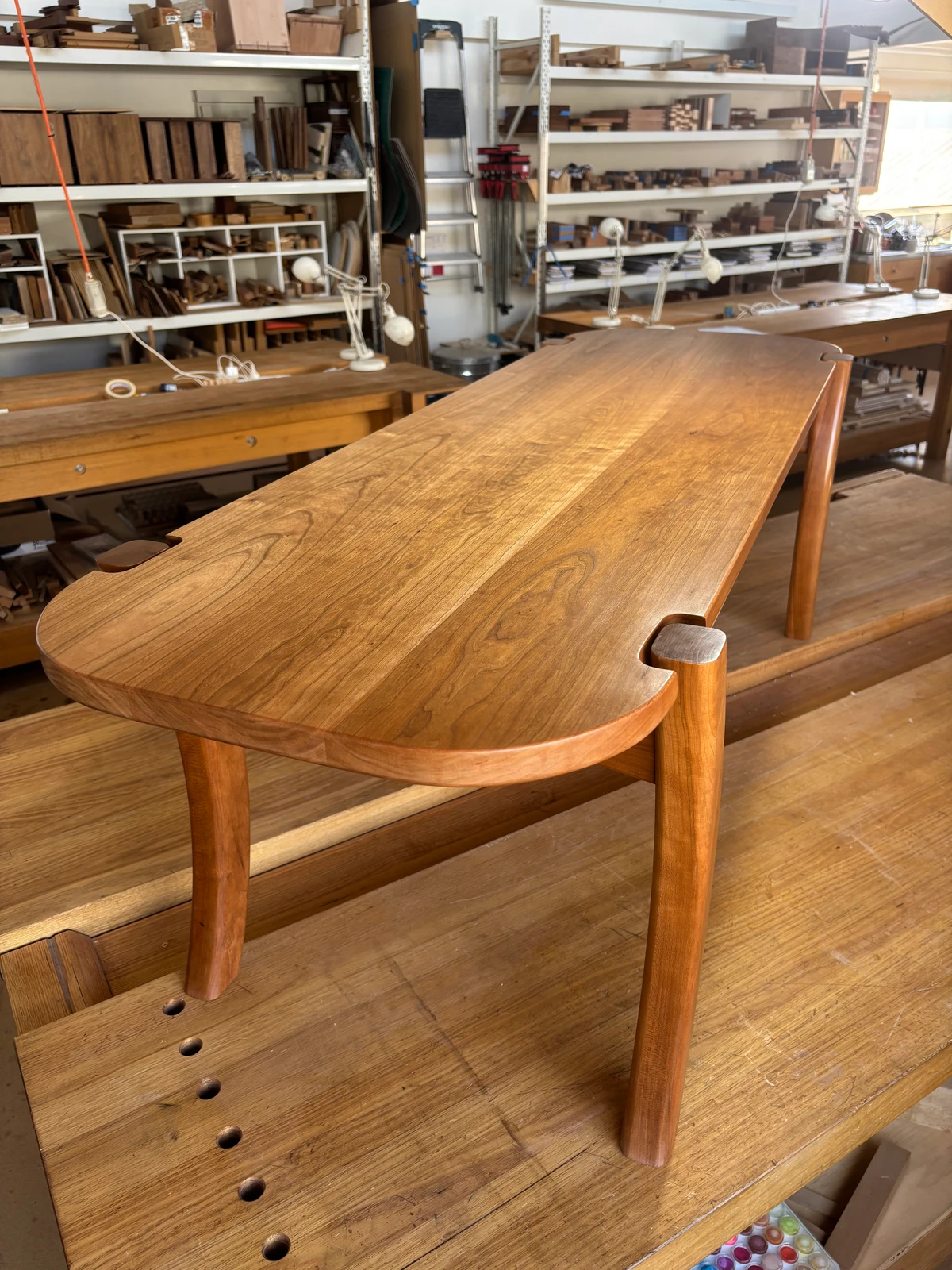
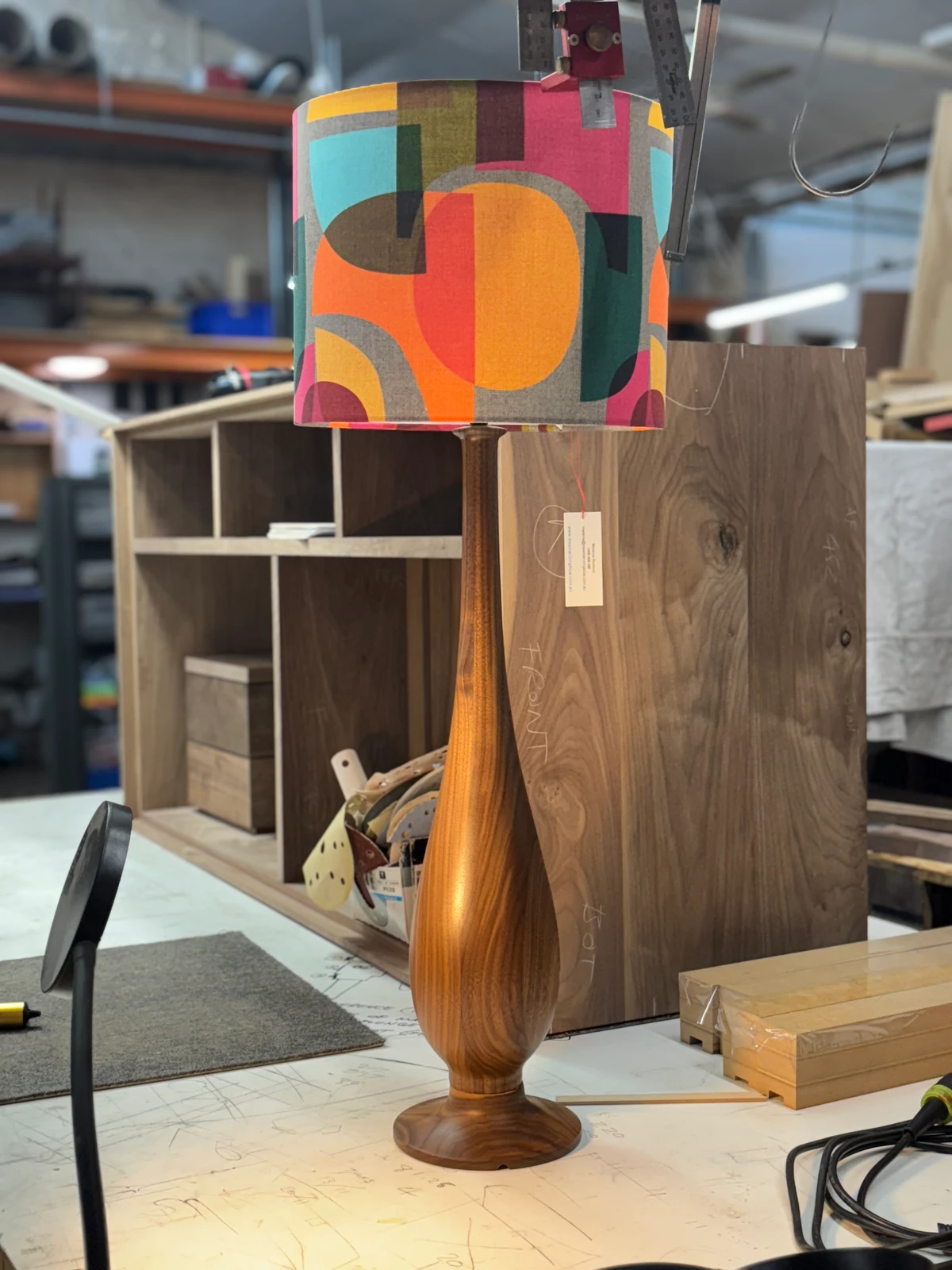
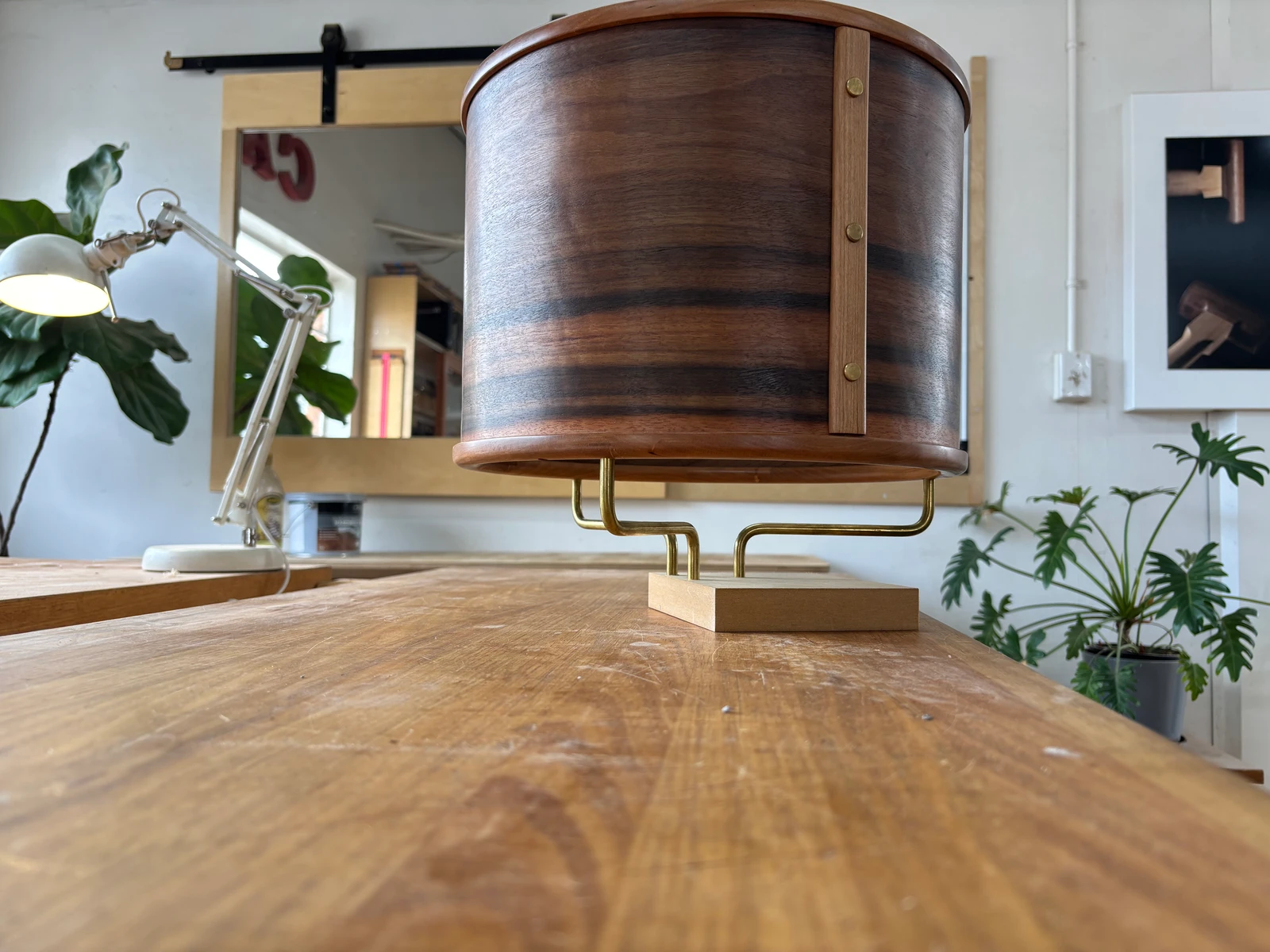
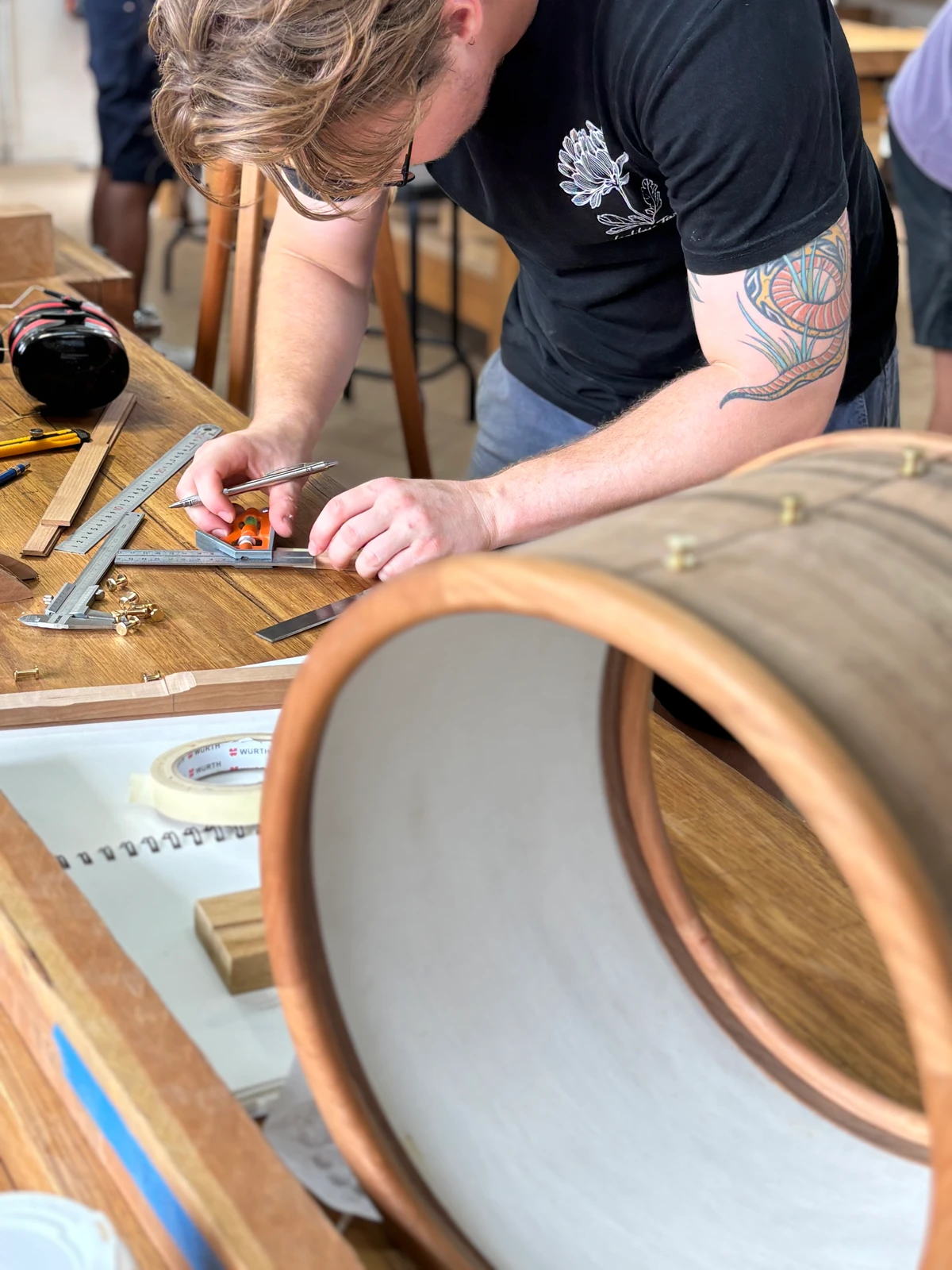
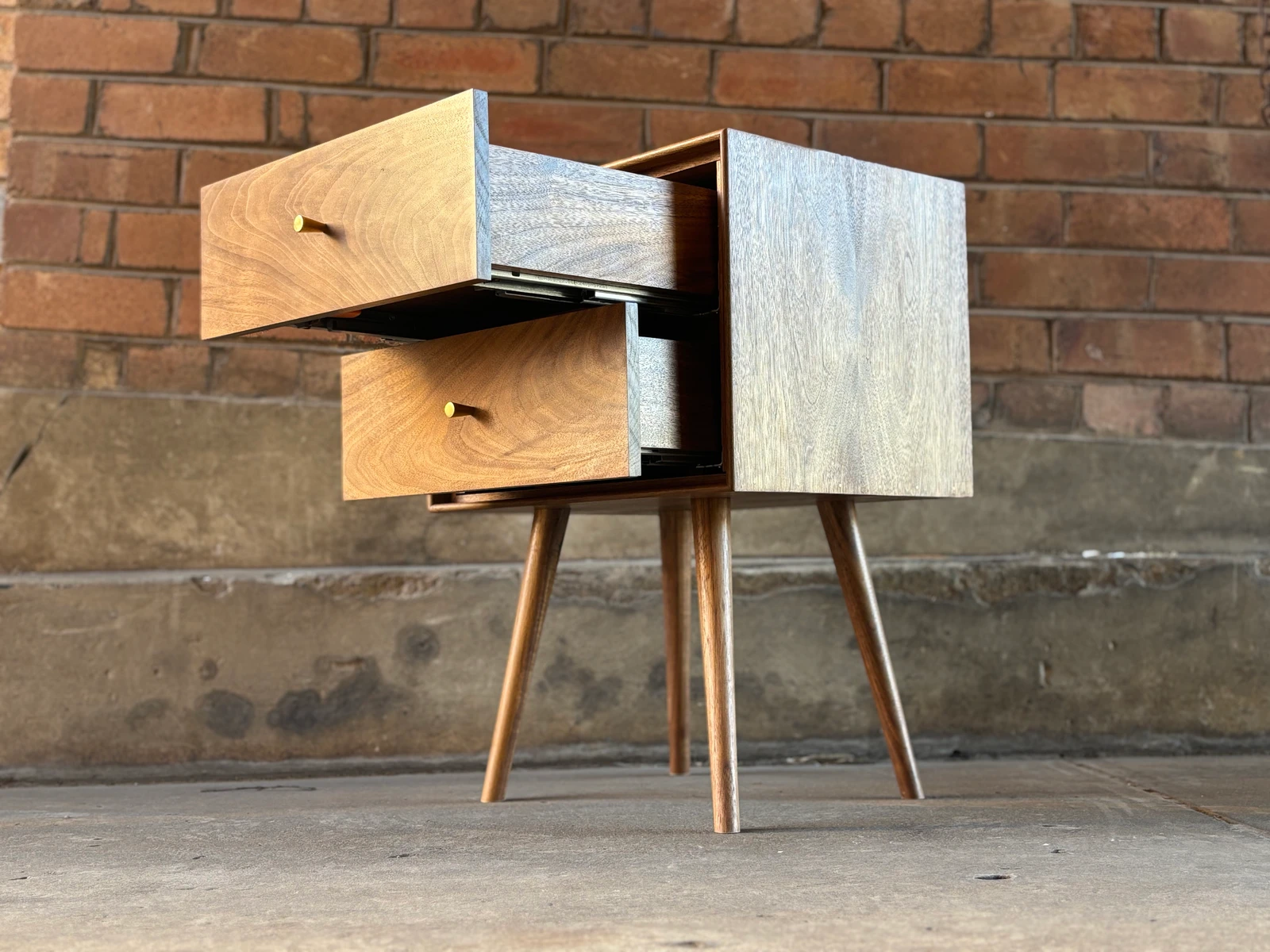
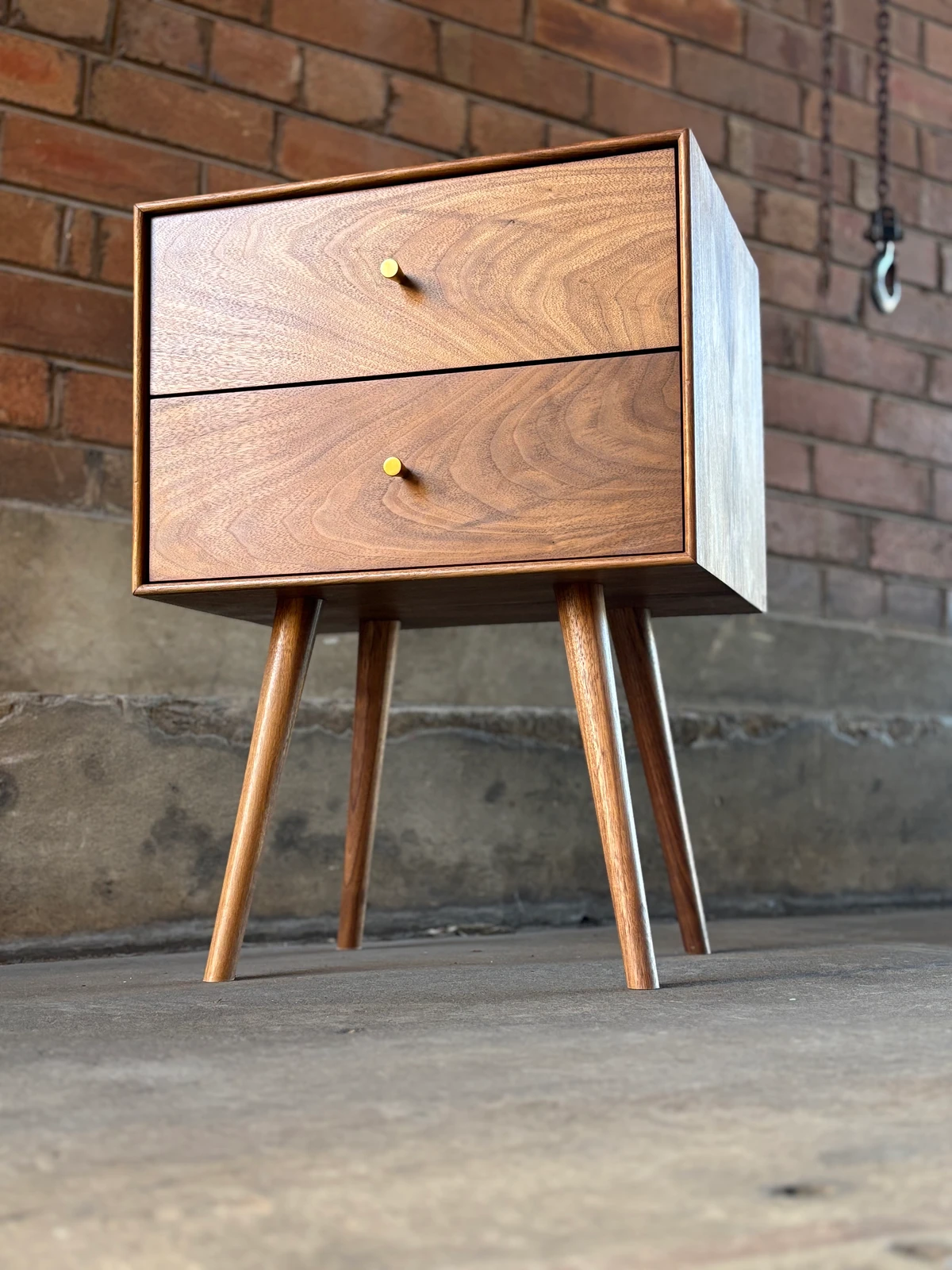
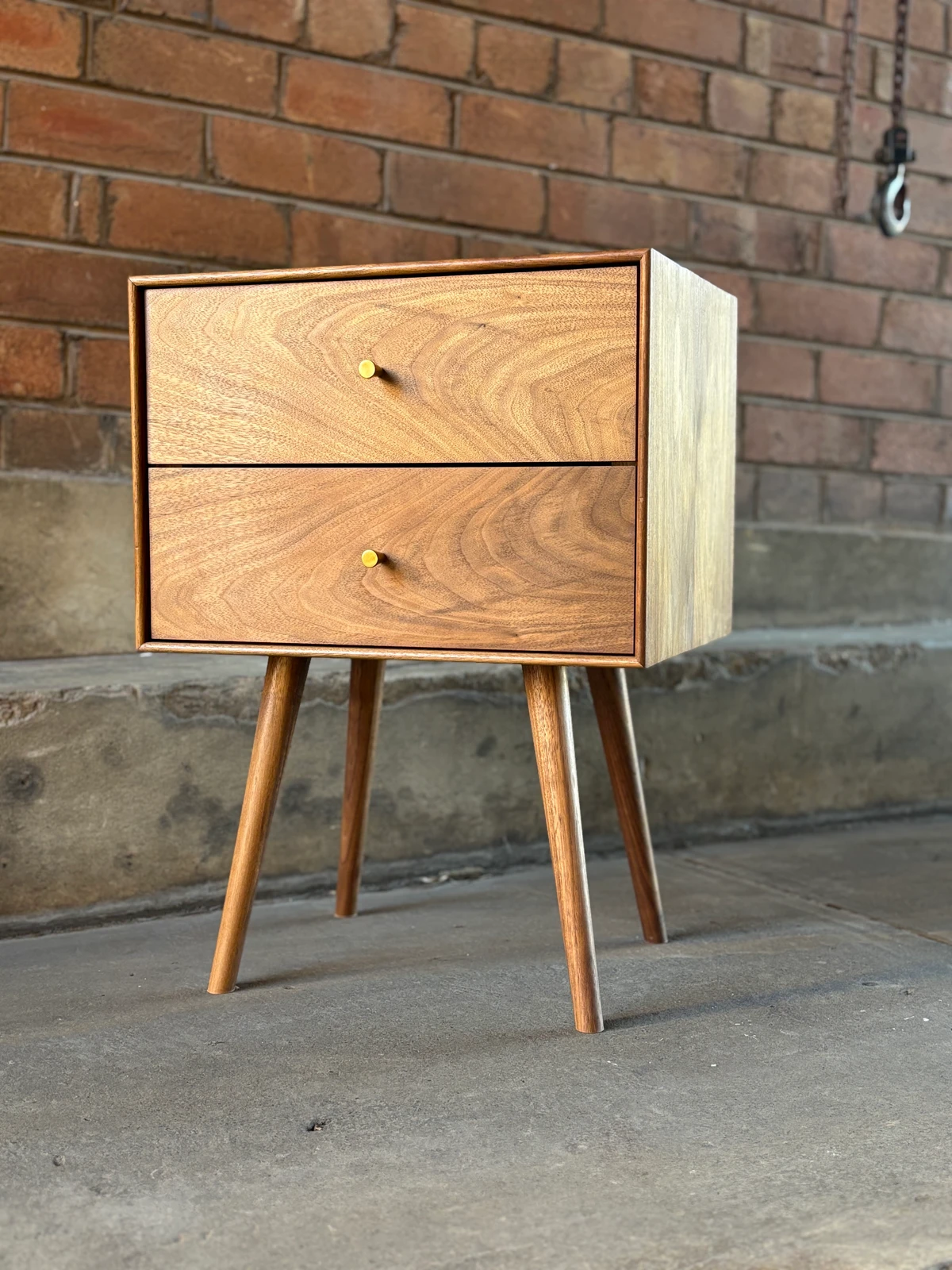
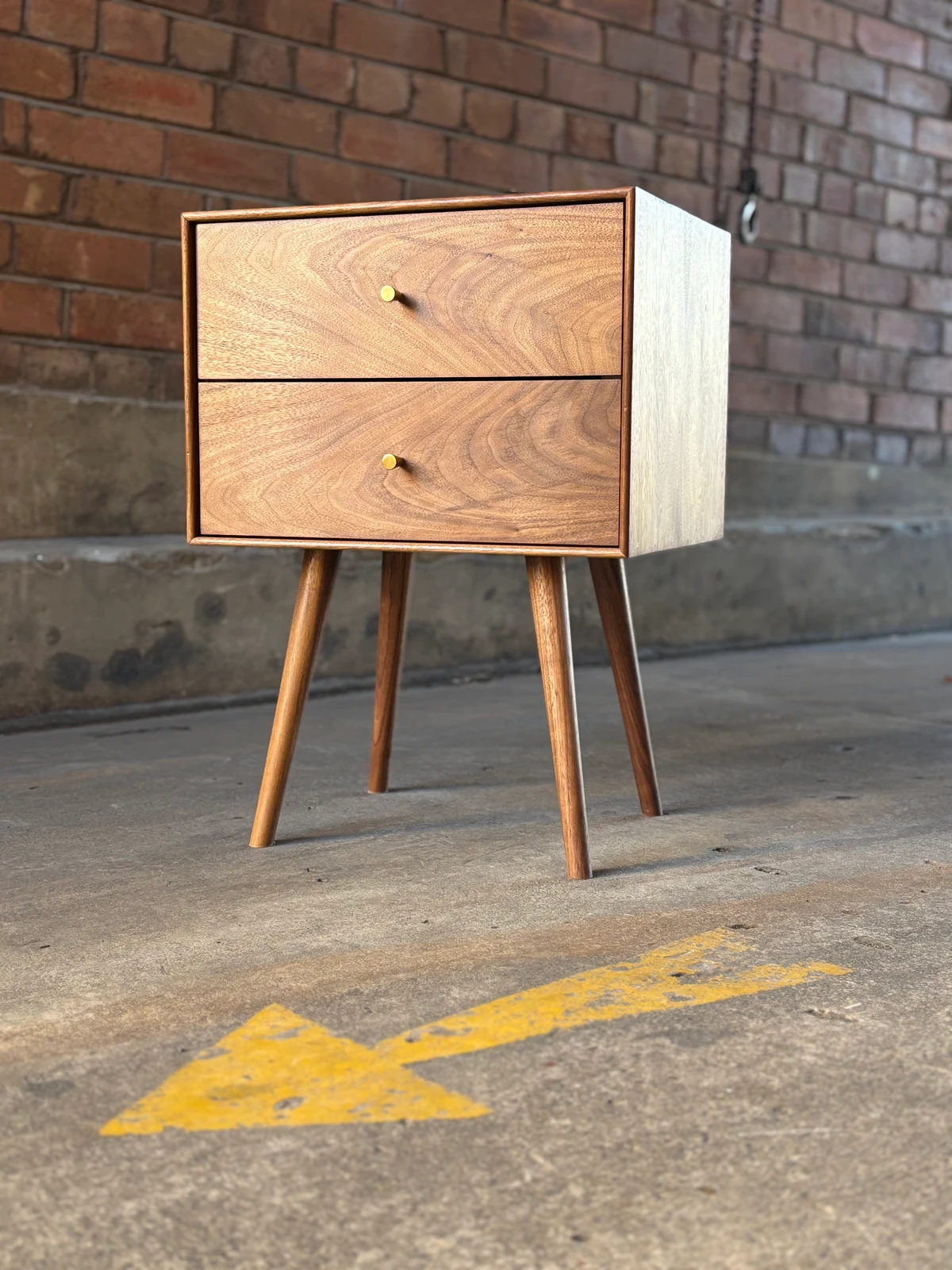
After the six set projects, students begin designing and making their own work. The archive below is intentionally broad: cabinets, tables, seating, small objects and one-off experiments made as skills, confidence and design judgement develop.

24 photographs · drag, swipe or use the arrows
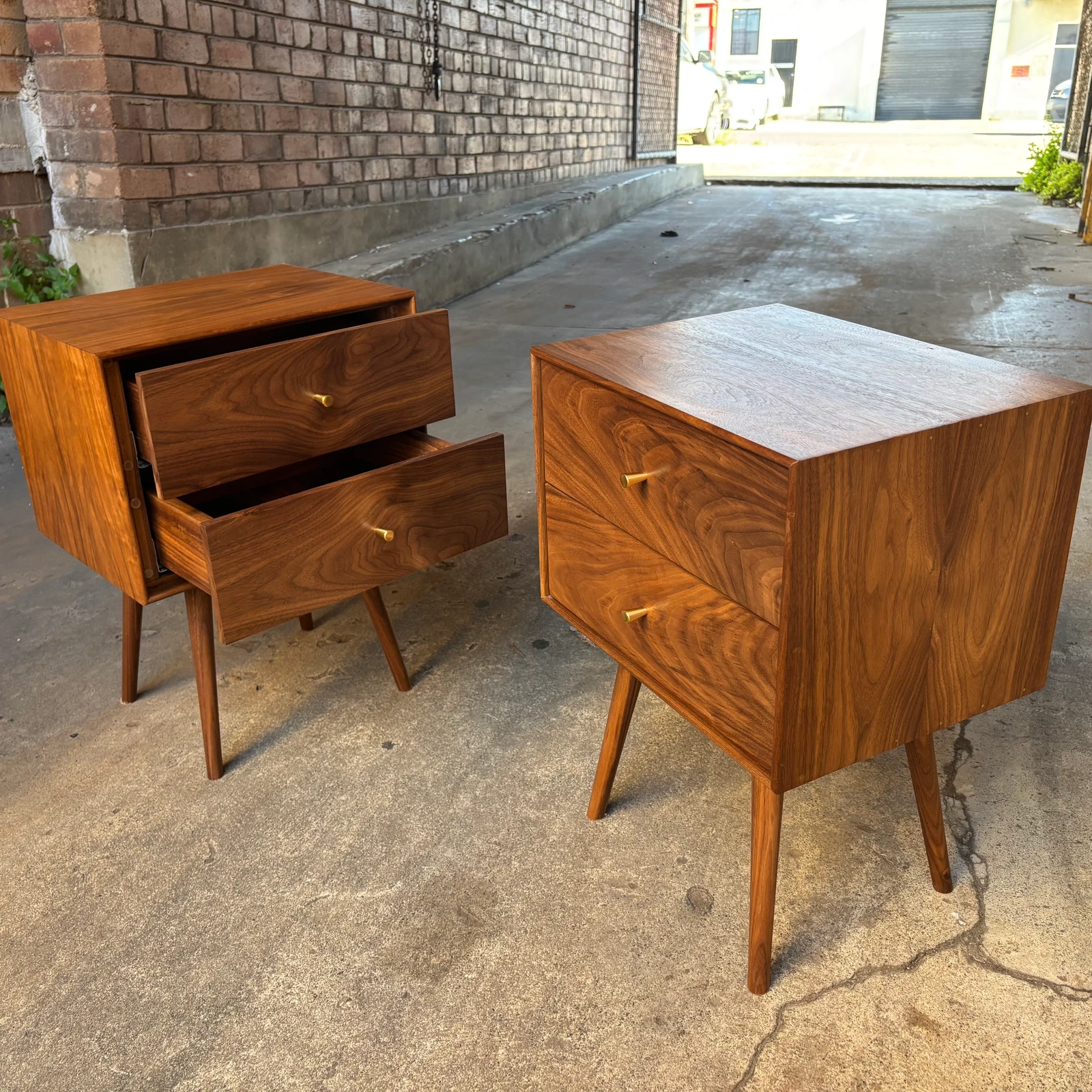
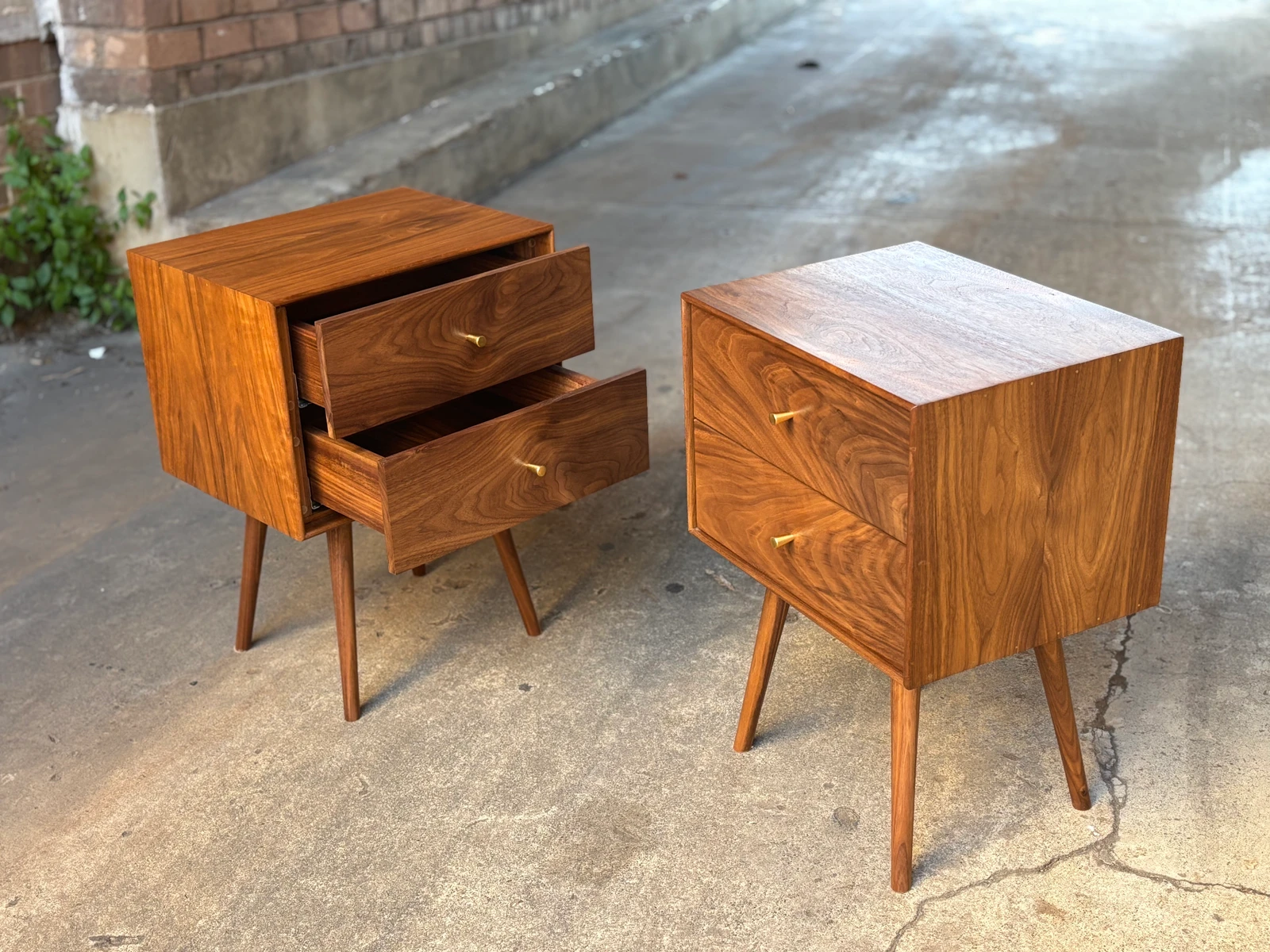
A pair of timber bedside cabinets with drawers opened.
A completed timber table with a rounded end on a workbench.
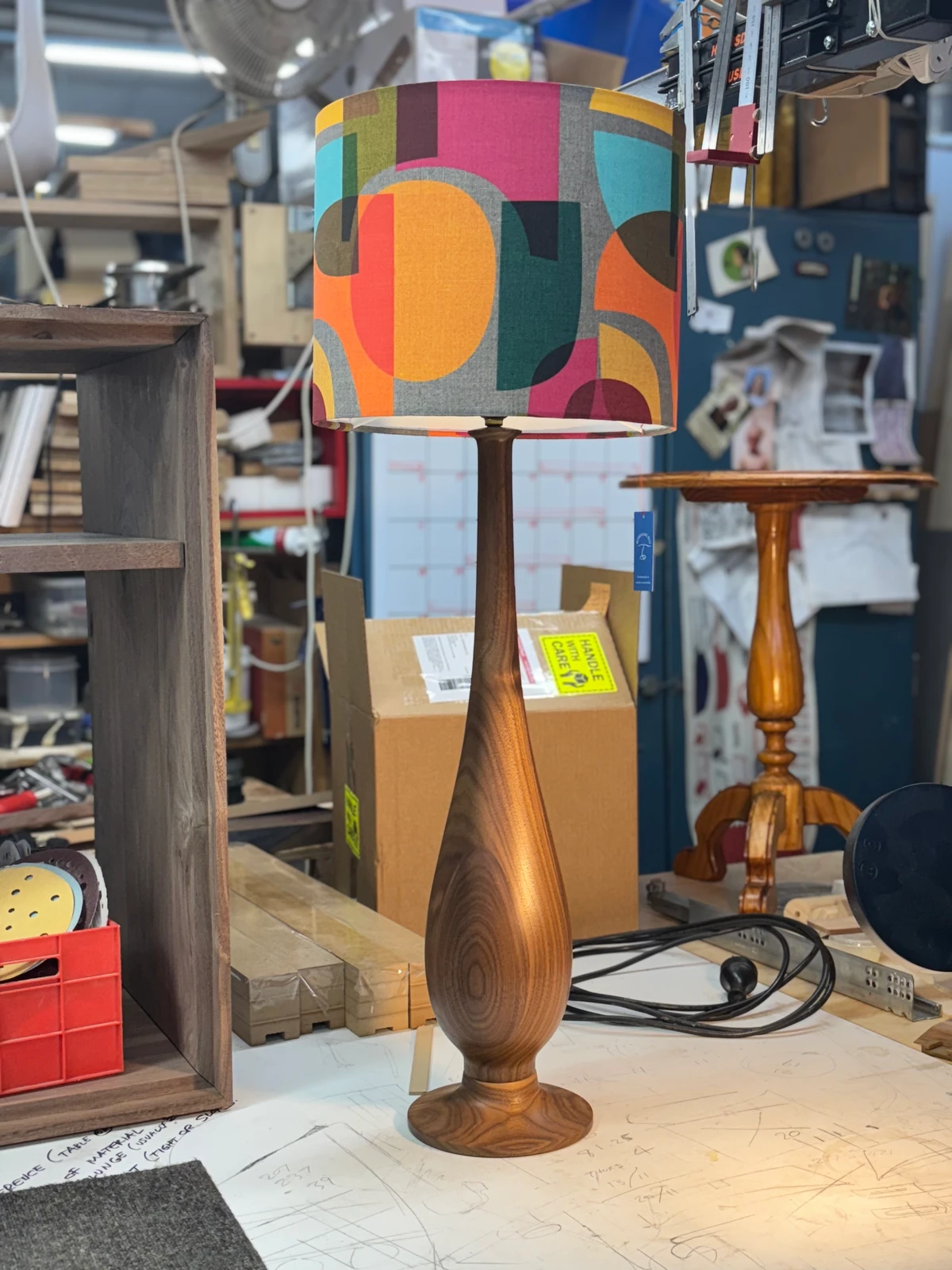
A tall timber lamp with a turned base and patterned shade.
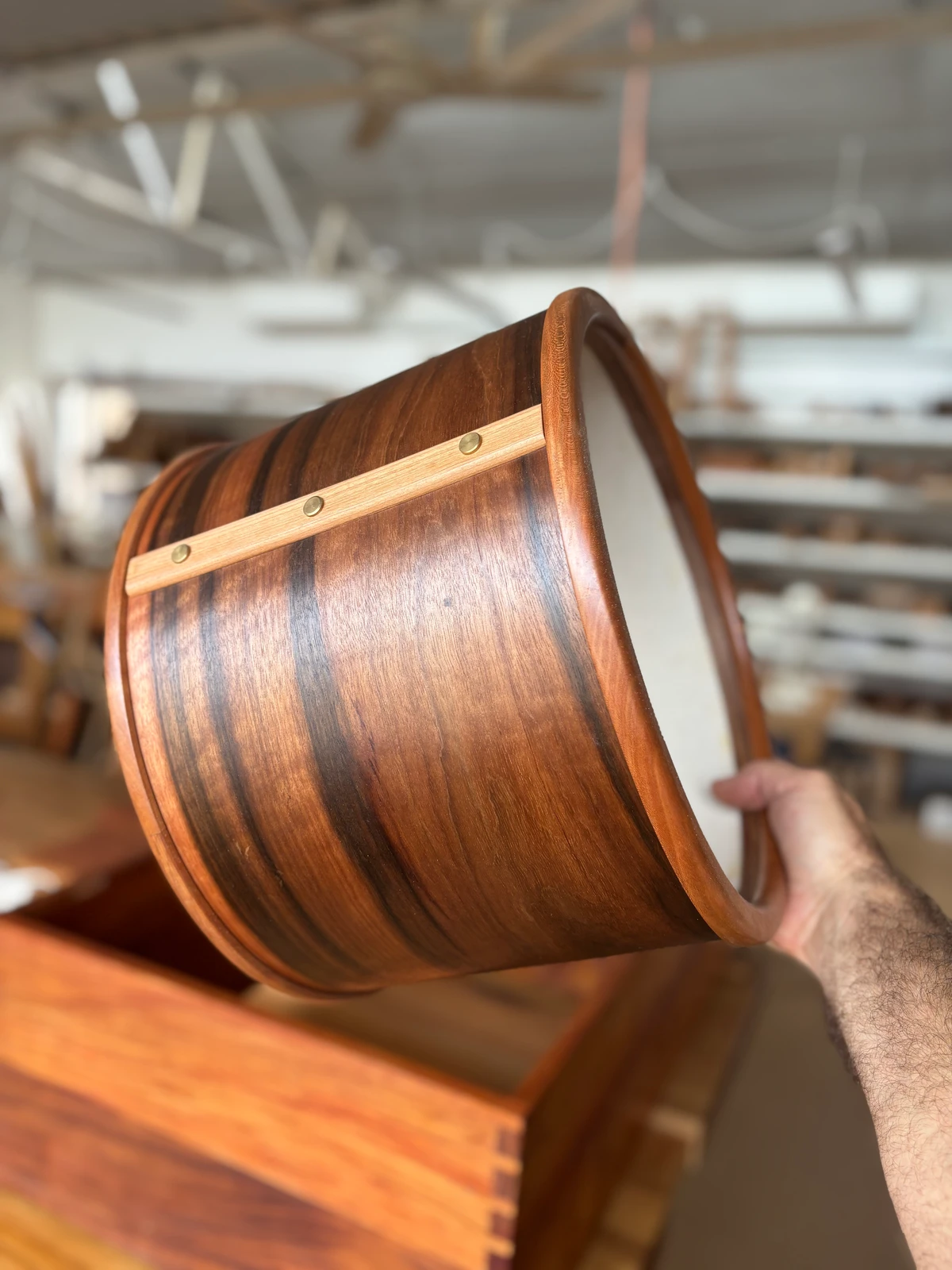
A curved timber vessel displayed on a raised stand.
A timber stool with a shaped seat and legs on a workbench.
A curved timber chair back being assembled in the workshop.
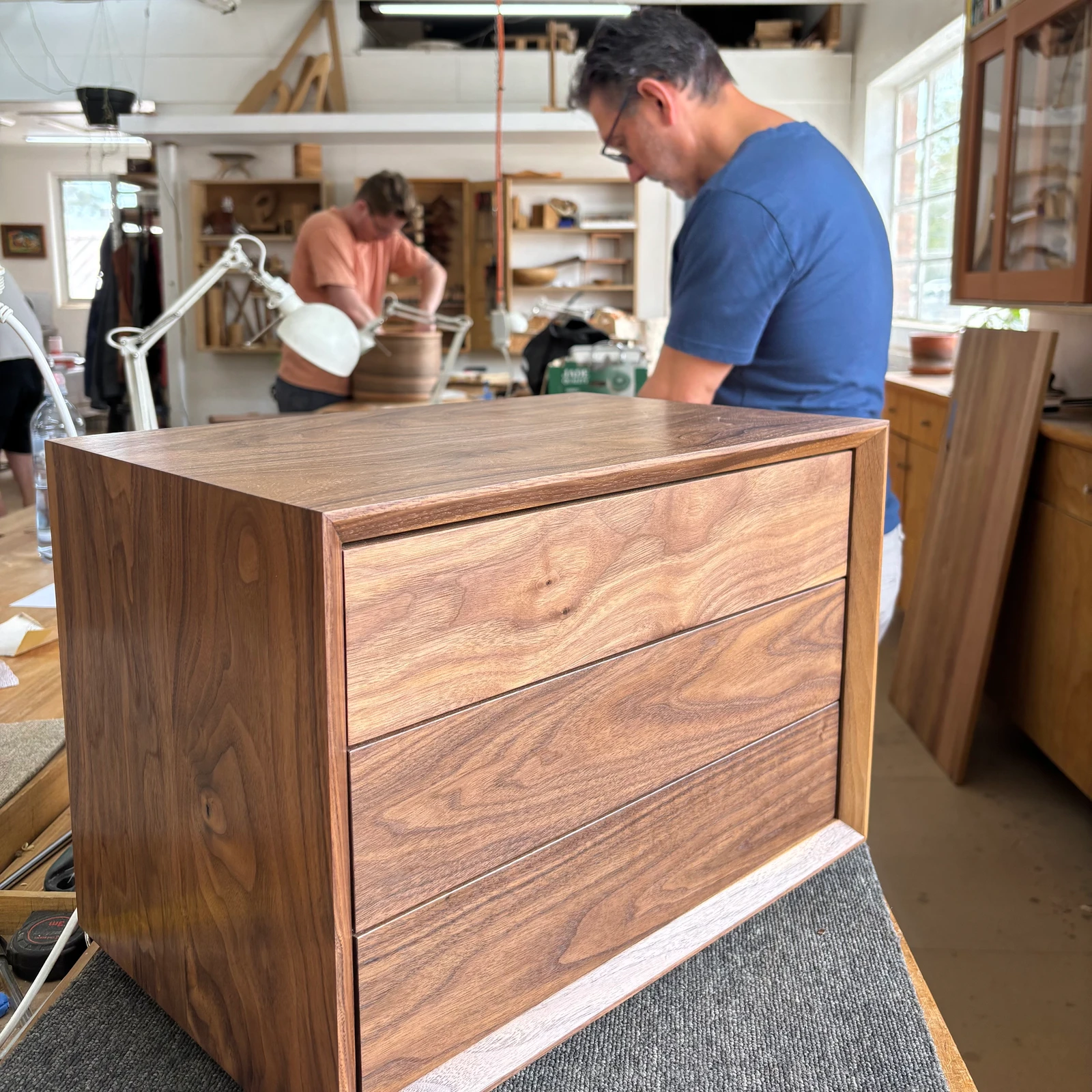
A timber drawer cabinet with three drawers in the workshop.
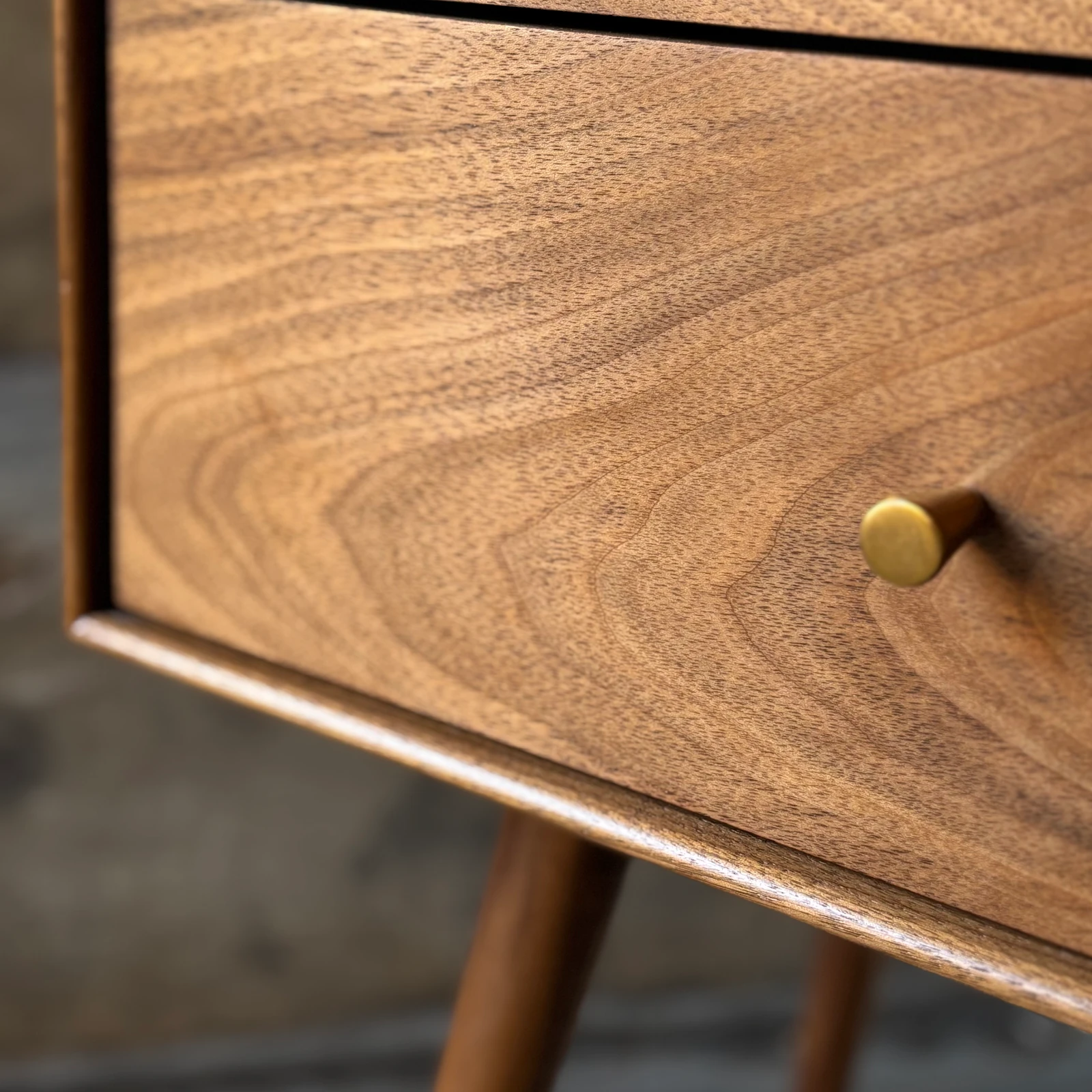
Close detail of timber grain and a brass drawer pull.
A curved timber vessel being held and examined in the workshop.
A student working on a curved timber vessel at the bench.
Another view of a turned timber floor lamp and patterned shade.
An angled view of two timber bedside cabinets with open drawers.
Two timber bedside cabinets showing the drawer fronts and tapered legs.
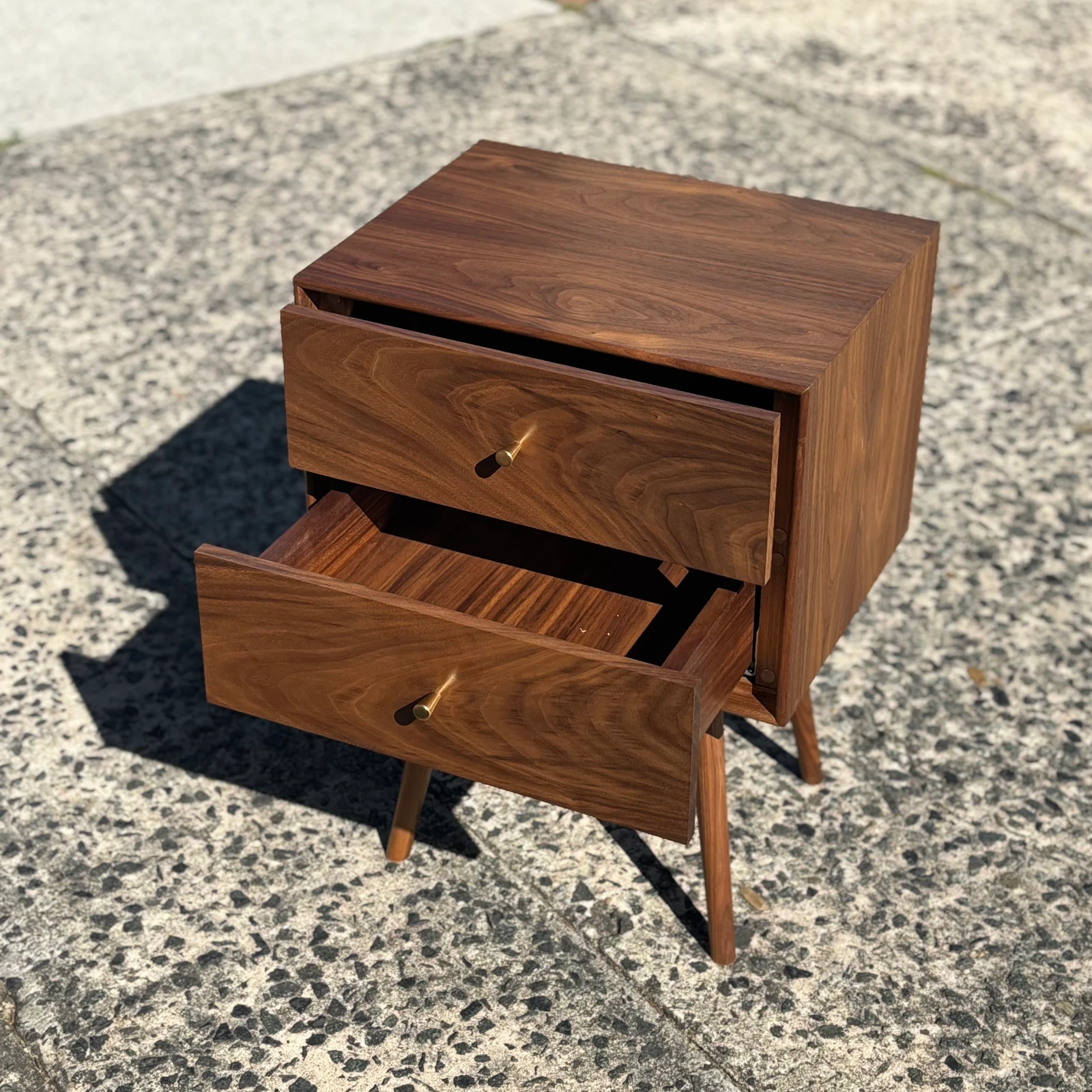
A bedside cabinet with its two drawers extended.
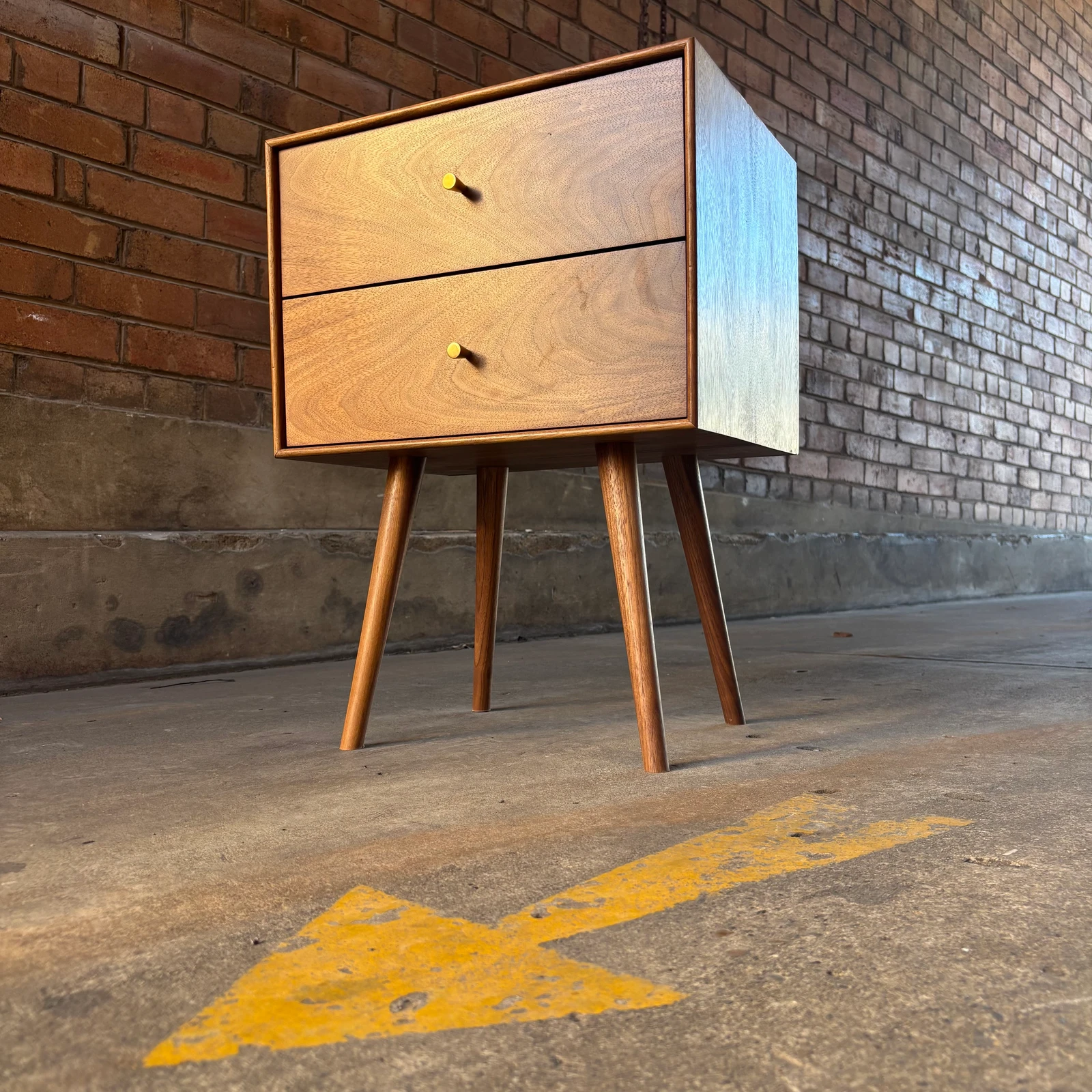
A two-drawer timber bedside cabinet viewed from a low angle.
A timber bedside cabinet showing its front and tapered legs.
A timber bedside cabinet photographed against a brick wall.
A side view of a timber bedside cabinet and its tapered legs.
A timber bedside cabinet with open drawers photographed outdoors.
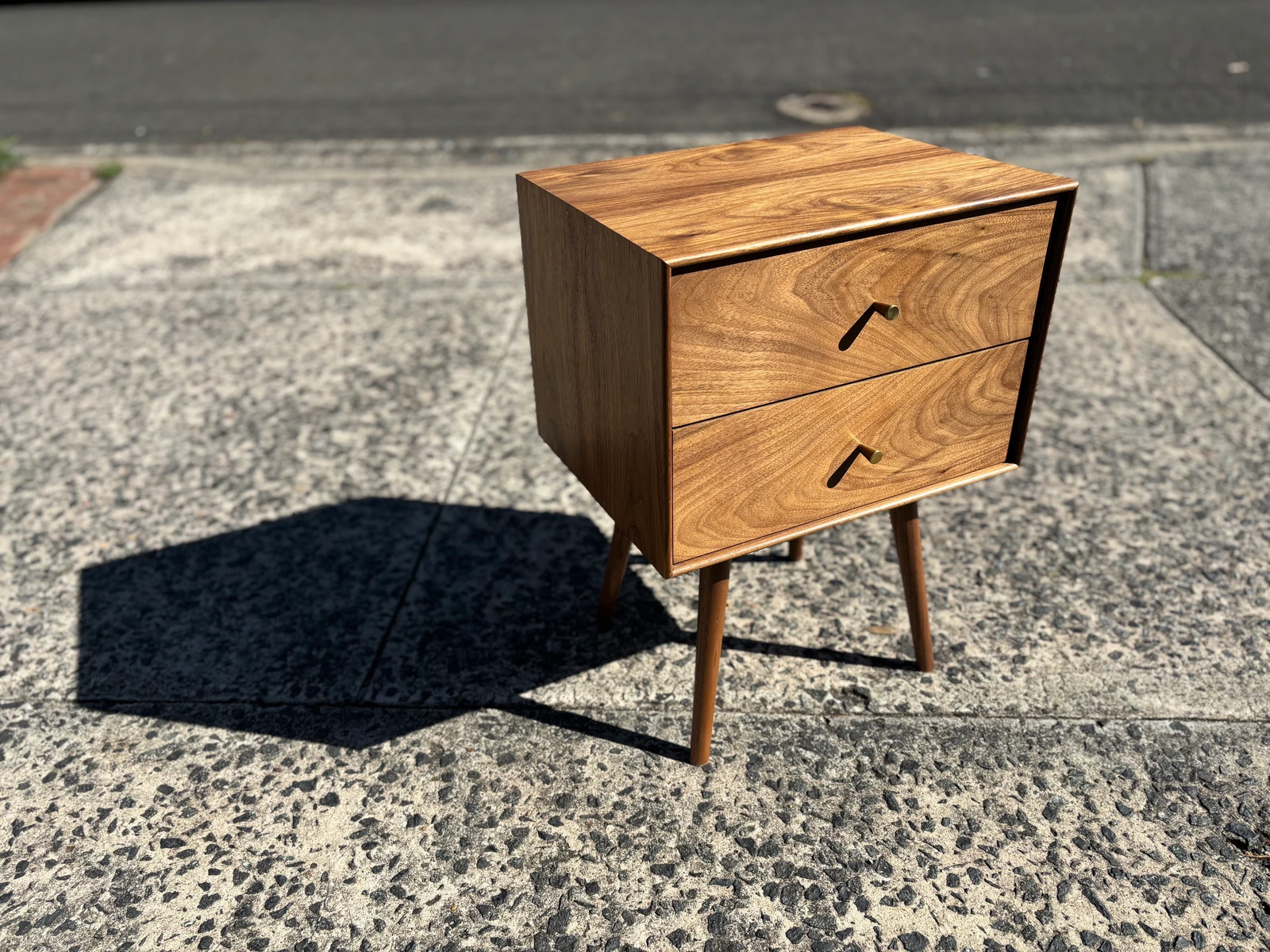
A closed two-drawer bedside cabinet photographed outdoors.
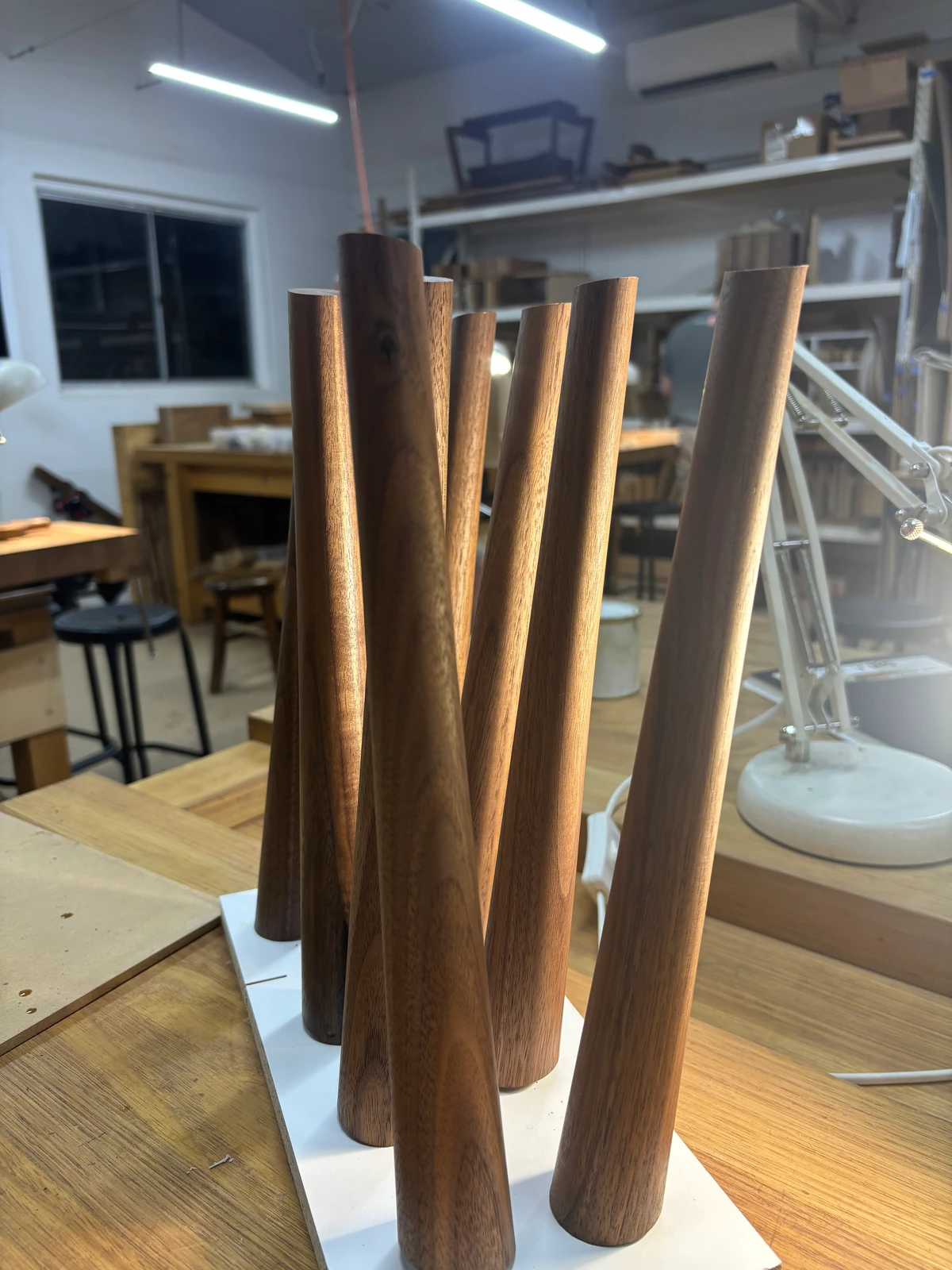
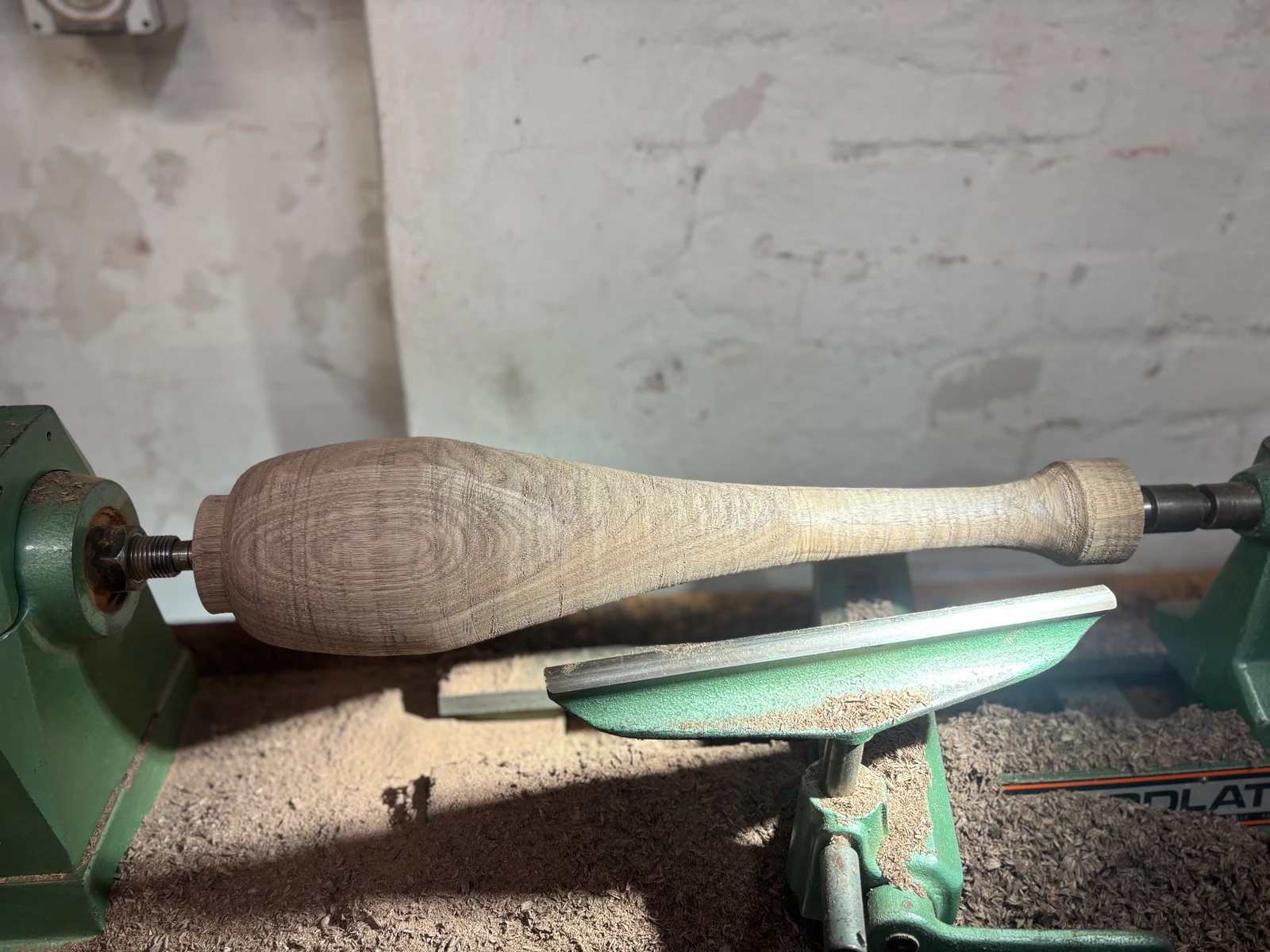
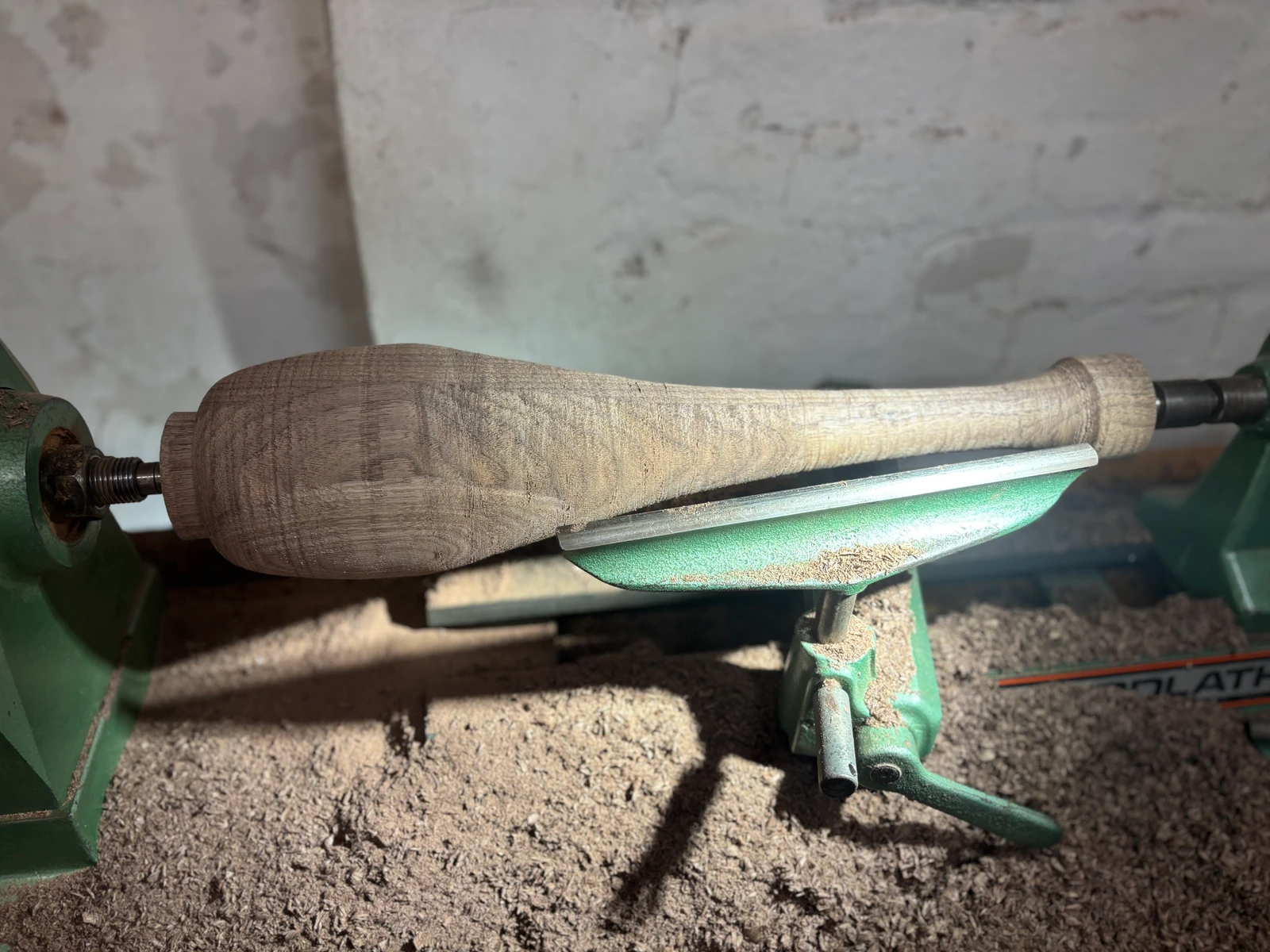
A shaped timber component mounted on a wood lathe.
A close view of a shaped timber component on the lathe.
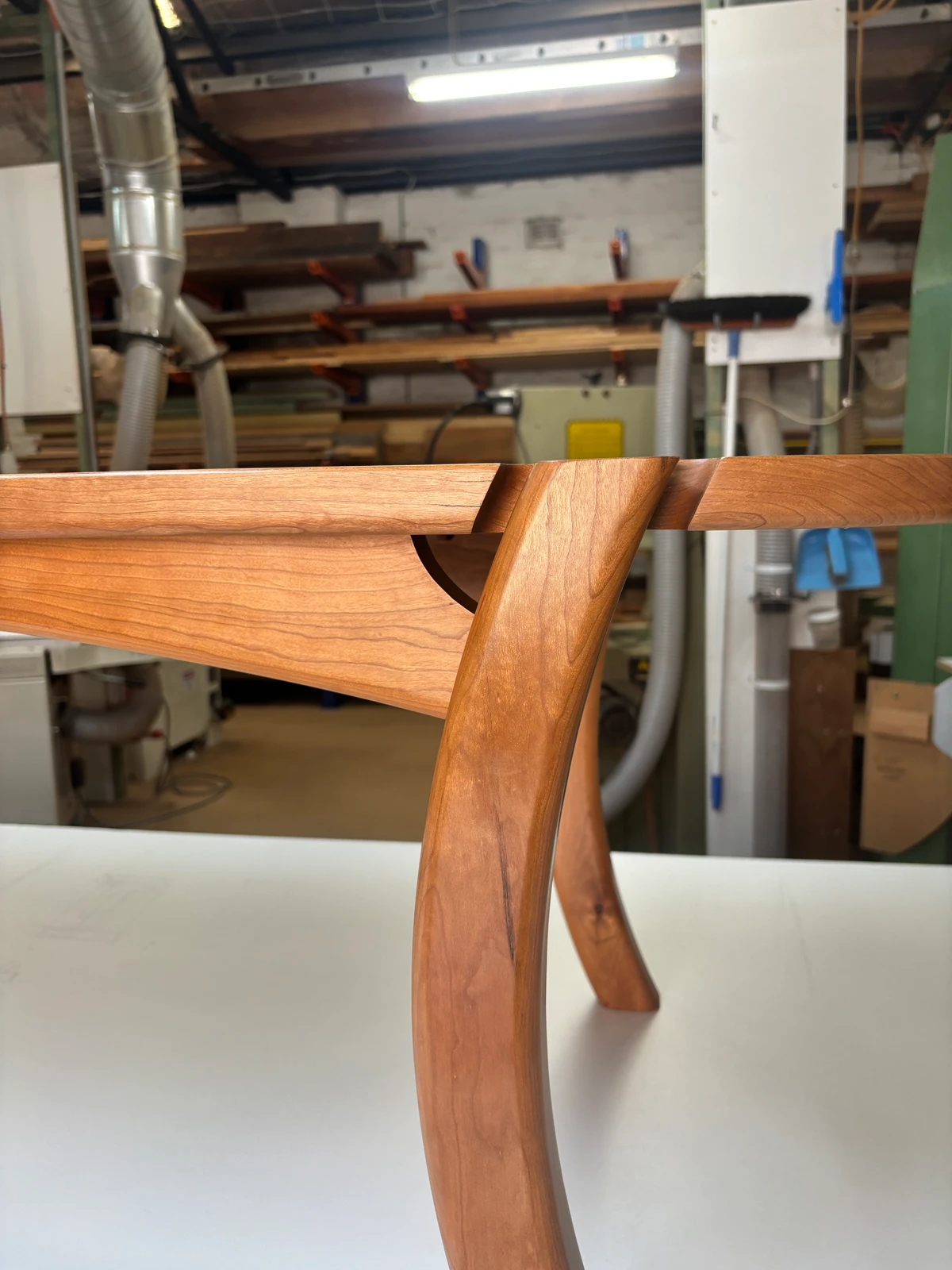
Close detail of a table leg meeting its timber rail.
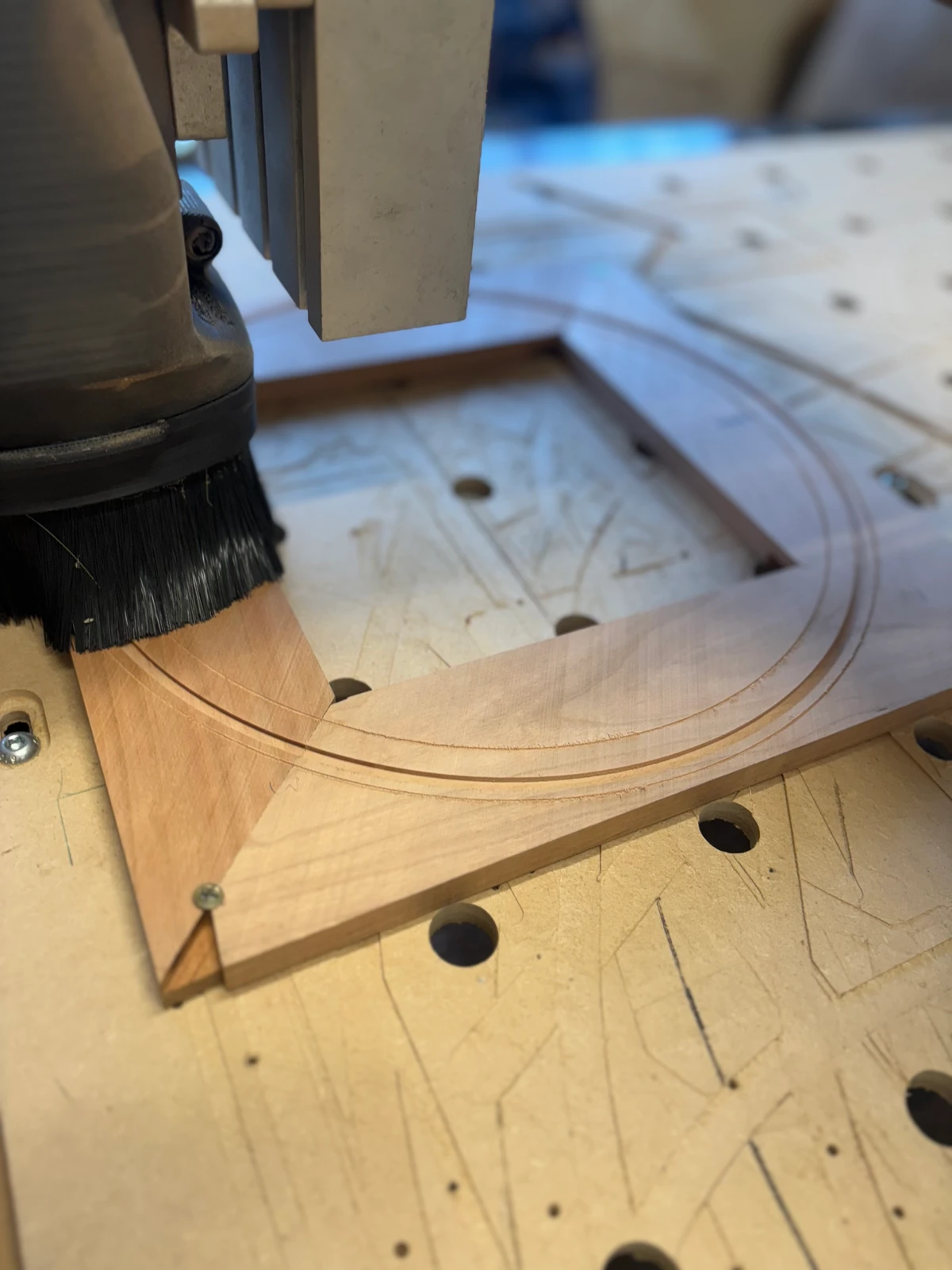
A shaped timber component being machined on a workbench.
Teachers

Furniture makers who teach.

The teaching comes from working furniture makers and designers, so technique is always connected to how real furniture is designed, machined, joined, assembled and finished.

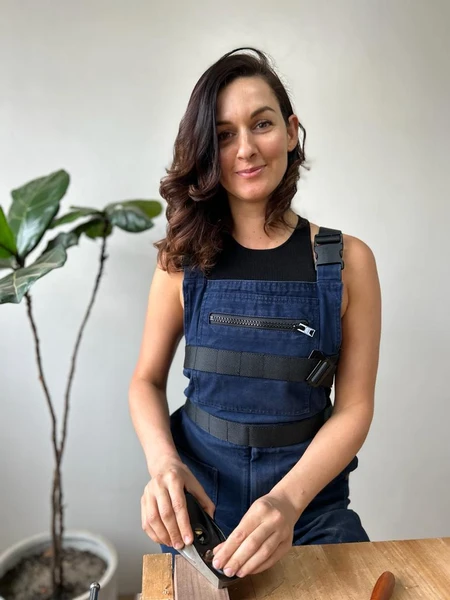
Brendan Cody, furniture maker and woodworking teacher at Chisel & Dowel in Sydney.
Co-founder · Principal teacher

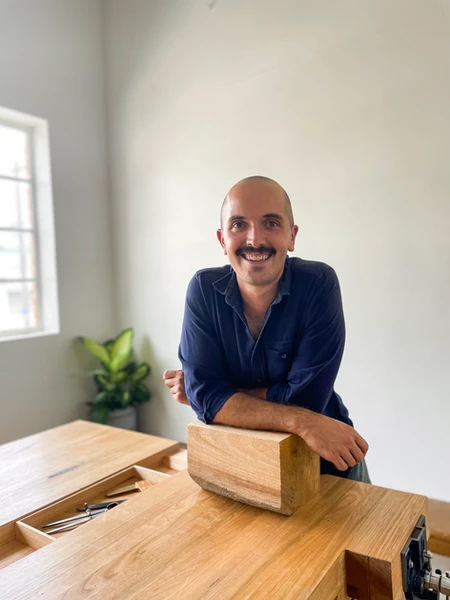
Brendan Cody

Brendan Cody is a furniture maker, educator and co-founder of Chisel & Dowel. His teaching centres on the practical foundations of furniture making: reading timber, accurate marking out, safe machine use, hand tools, joinery, assembly and finishing. Brendan’s approach is deliberately hands-on—demonstrate the process clearly, explain why it works, then give students enough space to develop confidence through repetition. He works across the full foundation sequence and helps students carry those skills into increasingly independent furniture projects.

Niall McConnachie, furniture designer, maker and teacher at Chisel & Dowel.
Teacher · Furniture designer & maker

Niall McConnachie

Niall McConnachie is an experienced woodworking teacher with a background in furniture design and professional design practice. He has been closely connected with Splinter Workshop for many years and also develops and makes furniture on commission. At Chisel & Dowel, Niall brings design thinking into the workshop: proportion, construction logic, timber choice, drawing interpretation and the sequence of making. His teaching is especially useful when students move from a prescribed exercise toward resolving their own furniture ideas.

Sebastian Wood, furniture maker and woodworking teacher at Chisel & Dowel in Sydney.
Teacher · Designer · Maker

Sebastian Wood

Sebastian Wood is a designer and maker specialising in bespoke furniture, architectural joinery and cabinetry. His professional background includes production coordination in timber furniture, furniture-making work with established Sydney studios and more than six years of teaching experience. Sebastian brings that production knowledge into class: accurate machining, clean construction, sensible workflow and the judgement required to turn a drawing into a well-resolved object. Students benefit from both his technical experience and his understanding of how furniture is actually made in a professional workshop.

Chi Yusuf, fine furniture maker and woodworking teacher at Chisel & Dowel in Sydney.
Teacher · Fine furniture maker

Chi Yusuf

Chi Yusuf is a fine furniture maker whose relationship with woodworking began early, including making a stool in her grandfather’s shed in Cyprus. She later trained formally as a fine furniture maker at the Sturt School for Wood in the Southern Highlands and now works from a Sydney workshop. Chi brings a careful, tactile approach to teaching—hand skills, shaping, joinery, surface quality and the small details that make an object feel resolved. Her classes balance technical precision with an understanding that good furniture is also about touch, proportion and material.

Orest Danylak, co-founder and woodworking teacher at Chisel & Dowel in Sydney.
Co-founder · Course coordinator

Orest Danylak

Orest Danylak is a co-founder and course coordinator at Chisel & Dowel, with a background in architecture, furniture design and professional furniture and joinery making. His work is driven by design problem-solving: proportion, material, construction and finding practical ways to make unusual ideas work. In the school he helps shape the project sequence and works with students as they move from the set exercises into original work. His teaching often focuses on connecting design intent with the realities of timber, machinery, joinery and fabrication.

Liam Munich, furniture maker and woodworking teacher at Chisel & Dowel in Sydney.
Teacher · Tool specialist

Liam Munich

Liam Munich is a furniture maker, Sturt graduate, Splinter Workshop member and Chisel & Dowel teacher with a particularly deep interest in tools and machinery. He is the person students often end up talking to when a cutter, handplane, jig or machine setup needs explaining properly. Liam’s teaching combines technical knowledge with practical workshop problem-solving, helping students understand not just which tool to use, but how setup, sharpness, workholding and sequence affect the result. He brings an approachable, conversational style to detailed technical instruction.

About Chisel & Dowel

A serious workshop that doesn’t take itself too seriously.

Chisel & Dowel operates at 10 Commercial Road, Kingsgrove, alongside the professional designer-makers of Splinter Workshop. Students learn in a place where furniture is being designed and made every day.

Who it’s for

Adults 18+. Complete beginners are welcome, as are students returning to improve technique, machinery confidence and furniture-making skills.

Materials

Timber, tools, machinery and normal consumables are supplied for the first six projects. Students supply timber and special materials for their own later projects.

Make-up classes

Maximum two make-up classes per term with at least 24 hours notice. Make-ups depend on space, cannot roll over and are not available in the final week.

Workshop safety

This is a working machinery environment. Students must follow teacher directions, complete inductions before machine use, wear suitable enclosed footwear and stop immediately if directed. Participation involves inherent woodworking risks.
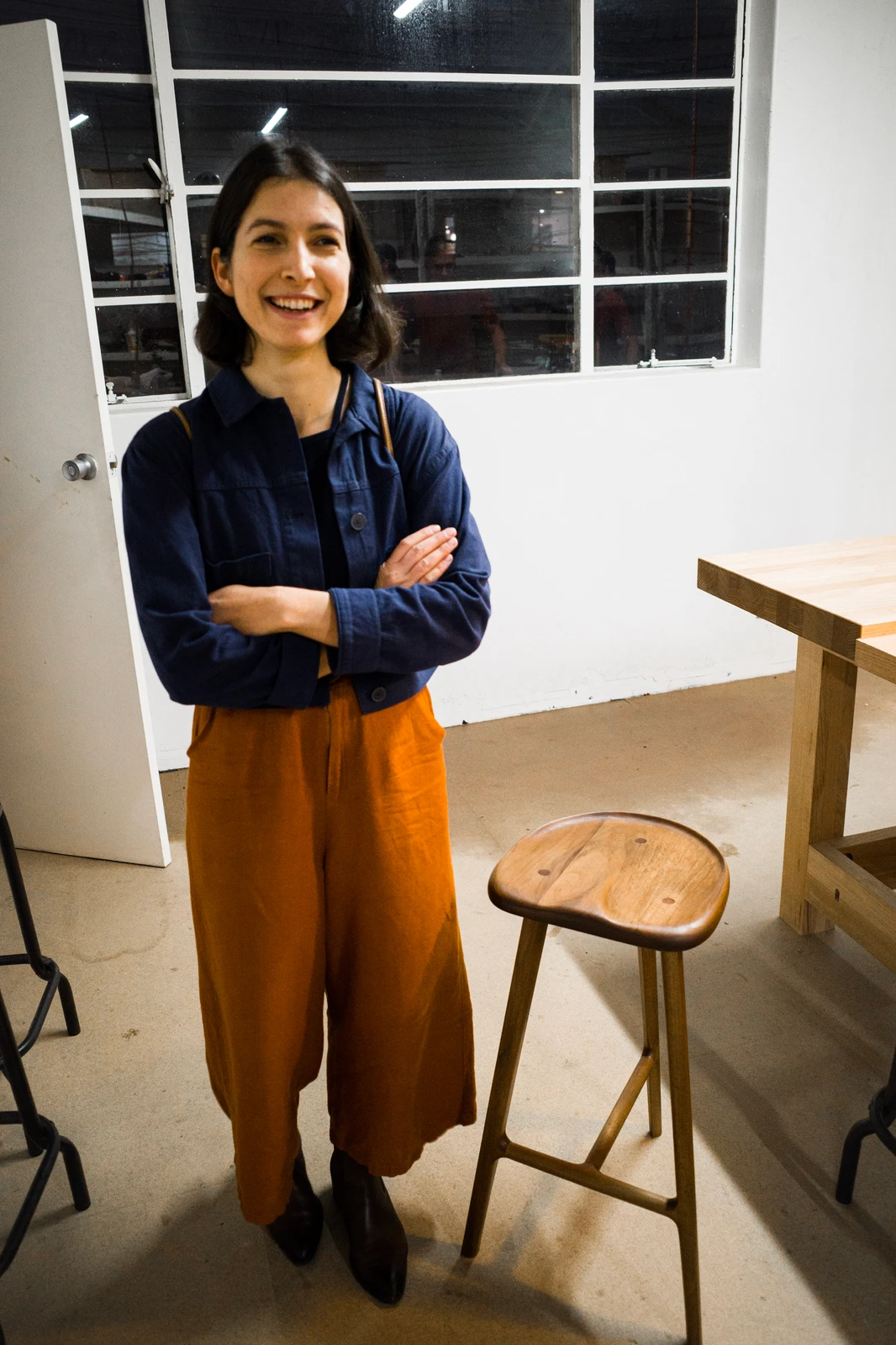
Chisel & Dowel student standing beside a finished furniture project in the Kingsgrove workshop.
Enquiries

Questions before you book?

Send us a note about term classes, starting as a beginner, returning to class or anything else you need to know.

Prefer email? hello@chiselanddowel.com